WATCH: On-scene video documentation is embedded below →
ALAMOSA, Colorado – A federal immigration enforcement operation at a downtown intersection has thrust the small city of Alamosa into the national debate over the legal limits of warrantless arrests and the use of force in the presence of minors. The incident, captured on bystander video and reviewed by civil rights attorneys, raises consequential questions about the operational protocols of field investigators and the state's statutory protections for individuals traveling to and from court proceedings.
At the center of the dispute is Jose Aguilera, a 33-year-old Colorado man detained by U.S. Immigration and Customs Enforcement (ICE) agents on the afternoon of September 24, 2025.
- The event occurred at approximately 3:15 p.m. at the intersection of Sixth Street and Bell Avenue, a location where the family was traveling after leaving the Alamosa County courthouse.
- Video footage shows the sudden escalation from a traffic stop to a physical confrontation, with agents surrounding a vehicle while a one-month-old infant remained in the rear seat.
- Law enforcement personnel, identified by visible gear and statements as Investigators, conducted the arrest without presenting a physical warrant to the family at the scene, according to the recorded dialogue.
- The encounter has prompted scrutiny from legal advocacy groups, including the ACLU of Colorado, which is leading a broader legal challenge against the agency's arrest practices within the state.
What the Recorded Footage Captures: Chronological Breakdown
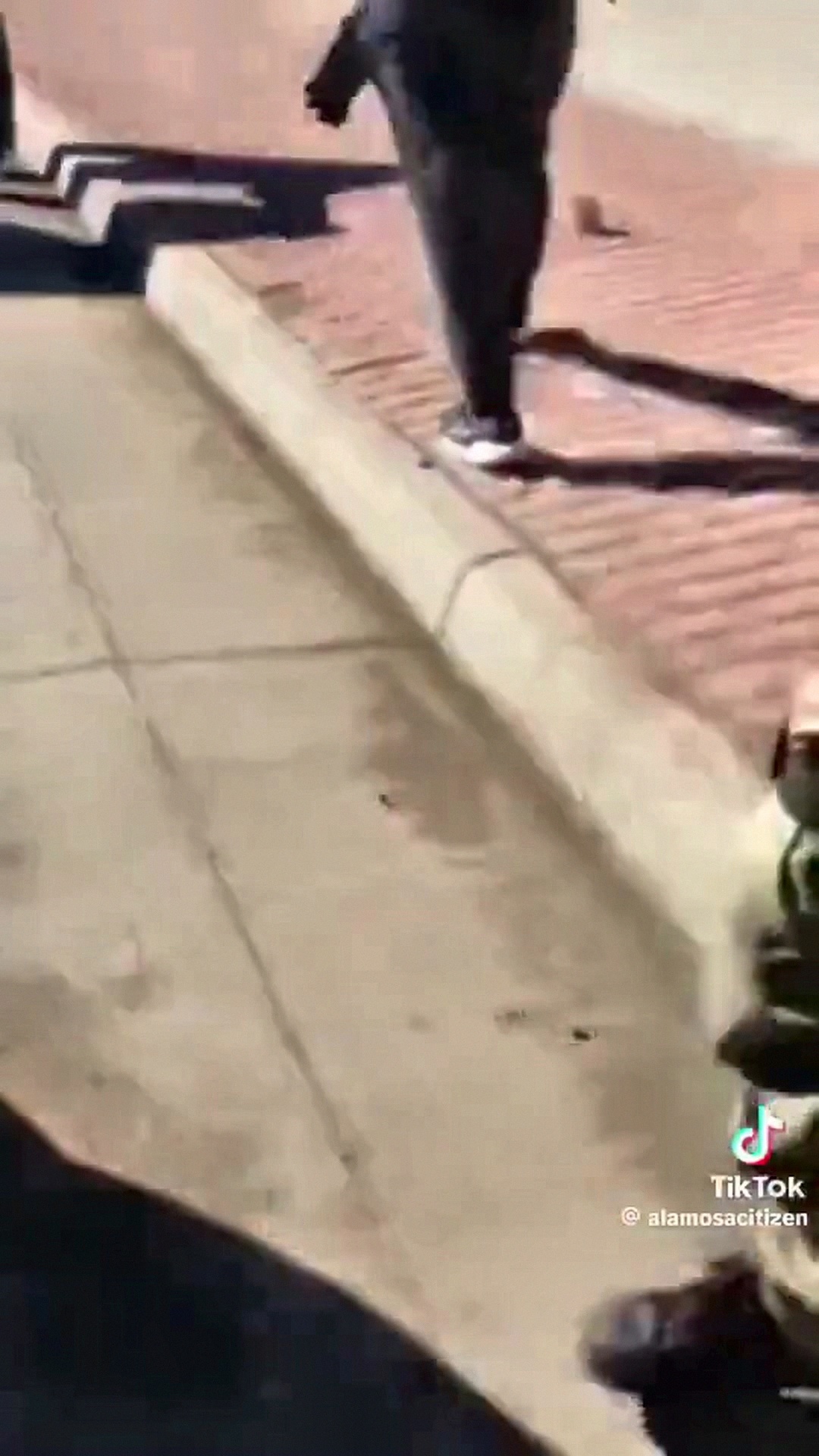
The available video record begins with a chaotic, ground-level perspective. The camera, held by a witness, captures the blurred motion of tactical footwear and pavement. The audio track is immediately dominated by frantic voices, with a woman pleading for mercy on behalf of the family. The initial seconds show an agent moving rapidly toward a vehicle, establishing the high-stakes nature of the stop. There is no visible traffic hazard, but the tension is palpable as the person filming struggles to maintain a clear line of sight.
The footage subsequently shifts to a closer view of a tactical vest bearing the word "POLICE" in large white lettering. This visual anchors the federal presence, though the specific agency was initially a point of confusion for bystanders. The camera pans across the scene, revealing the red brick paving of the intersection. A single object, appearing to be a personal item, lies discarded on the ground. The framing remains tight on the agents, obscuring the full scope of the traffic stop and the vehicle's position relative to the traffic flow.
A critical segment of the footage shows the female witness – later identified as Maya England – asserting her rights and demanding transparency. "Can I ask why he's being detained?" she asks, her voice rising. An agent responds audibly, citing an "immigration warrant." When England insists, "Can I documentation for the stop signed," the response is a directive to visit the office. The audio captures the sound of a scuffle and the distinct crack of the car window breaking.
The infant's presence is the central emotional and legal anchor of this sequence, with screams of "There's a baby!" punctuating the interaction.
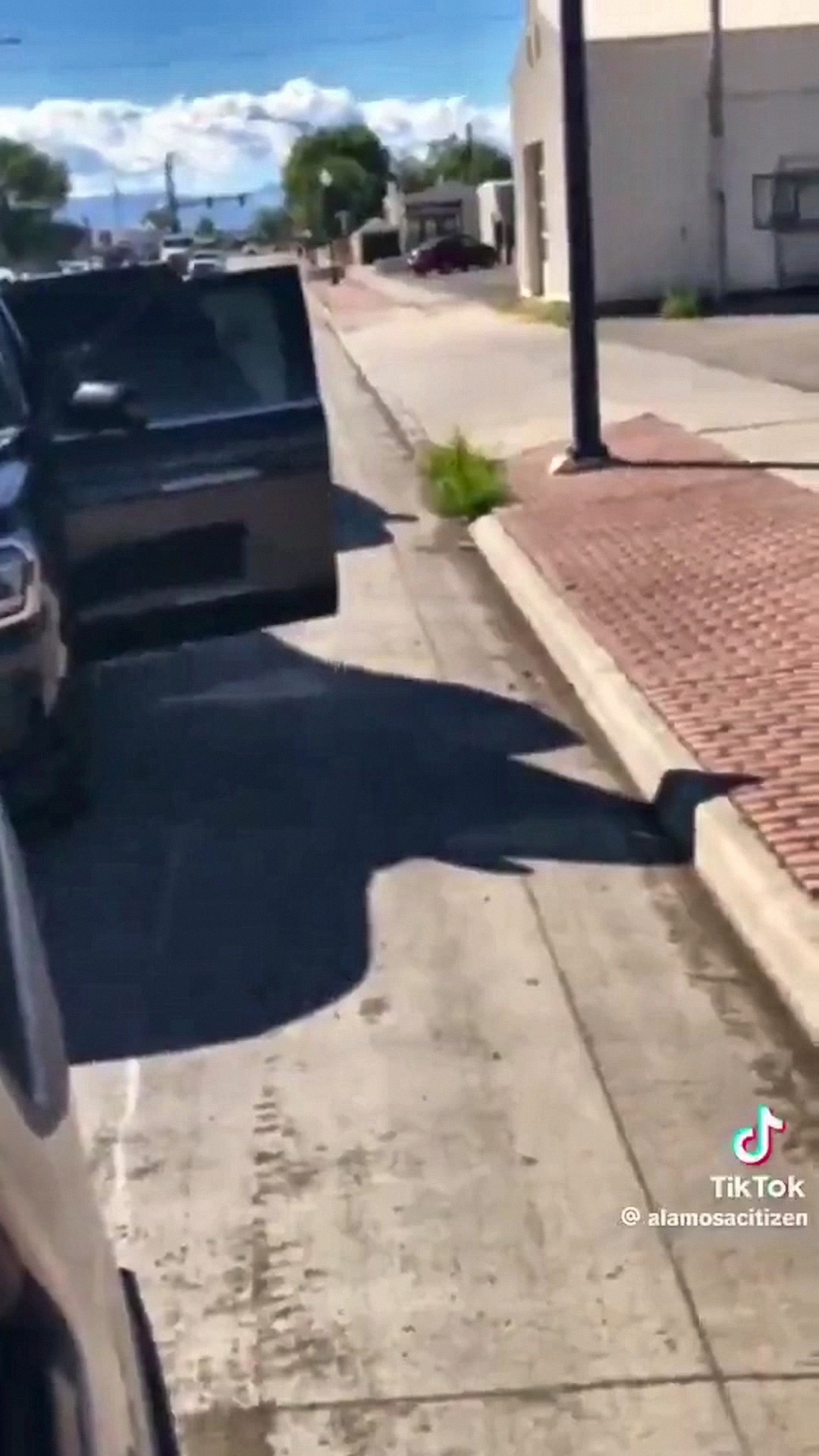
The video concludes with the aftermath of the arrest. England is heard attempting to recover her husband's belongings, specifically his phone, which is now a point of contention. The footage shows a black tactical boot resting on the ground near the dropped item, while she pleads for the phone to contact her husband's employer. The agents are seen moving away, leaving the family at the scene. The final frames capture a black SUV parked on the street, the site of the shattered window and the remnants of the brief but intense confrontation.
Corporate Liability and Critical Blind Spots
The evidentiary record, while compelling, possesses significant structural limitations. The footage is shot vertically on a mobile device, creating a restricted field of view. The camera frequently focuses on the agents' torsos and the ground, never providing a wide shot of the entire vehicle or the surrounding traffic conditions. This narrow perspective makes it difficult to verify the agents' claims that Aguilera failed to yield to vehicles with active lights and sirens. The unrecorded prior events – the initial pursuit and the decision to initiate a traffic stop – remain outside the frame.
The chain of custody for the video is another critical factor. While the recording provides a real-time account of the confrontation, it lacks a continuous timeline from the beginning of the pursuit to the final arrest. The viral nature of the clip also invites unverified assertions regarding the officers' conduct prior to the camera rolling.
The physical evidence – the shattered glass and the damage to the vehicle's door – supports England's account of property damage and personal injury, but the footage does not capture the moment the baton impacted the window, leaving a gap in the direct evidence of the force applied.
Statutory Framework and Protocol Analysis
Legal Distinction: Colorado law (SB 20-071) prohibits civil arrests at or near courthouses, restricting agents from detaining individuals traveling to or from judicial proceedings. Additionally, the Fourth Amendment's protections against unreasonable seizure require a judicial warrant for entry into a home, whereas administrative warrants do not grant this authority. The distinction between an administrative warrant and a judicial criminal warrant is central to the legal dispute.
The legal analysis hinges on the scope of the administrative warrant and the state's statutory protections for courthouse attendees. The agents on scene claimed to possess an "immigration warrant." However, civil immigration warrants are administrative, not judicial, and do not typically authorize breaking into a vehicle or entering a residence without consent. The family's assertion that they were coming from the courthouse invokes Colorado's specific prohibition on such arrests, which was designed to ensure access to justice for all residents, regardless of immigration status.
Recorded Scene Documentation
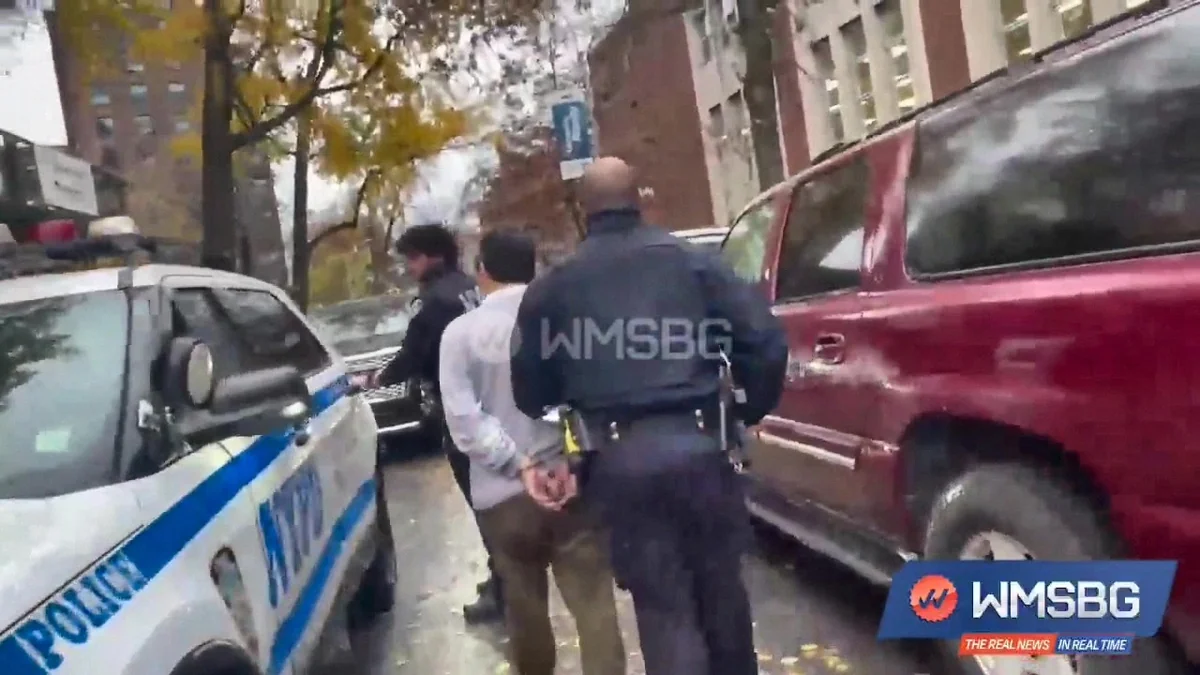
Furthermore, the use of force to shatter a vehicle window in the presence of an infant raises questions under the Department of Homeland Security's own use-of-force guidelines, which emphasize de-escalation and the consideration of vulnerable populations. The financial hardship reported by England, who lost her sole provider and now faces medical and property damage costs, highlights the collateral economic impact of enforcement actions.
| Incident Parameter | Governing Legal Standard & Judicial Protocol |
|---|---|
| Arrest Location | Colorado law bars arrests at/near courthouses; field investigators cite violations of traffic code. |
| Warrant Requirements | Administrative warrants permit detention but generally not forced entry into vehicles. |
| Use of Force | DHS policy requires proportionality; breaking glass near an infant may constitute excessive force. |
| Property Damage | Civil liability for vehicle damage; procedural rules govern the return of personal property. |
| Custody Notifications | Detained individuals are entitled to communication with family and legal counsel at the earliest opportunity. |
| Juvenile Safety | State child welfare standards prioritize the safety of minors during law enforcement operations. |
Read more: Chicago Phone Theft From Plainclothes Officer Ends in Arrest →
Core Questions and Institutional Review
- What specific actions by the family vehicle justified the escalation to a physical breach, and were these actions captured on dash or body camera footage?
- How does the agency reconcile the reported traffic violations with the state's statutory prohibition on courthouse-related arrests?
- What protocols govern the presence of an infant during an enforcement stop, and were alternative methods of vehicle extraction utilized?
- What is the current status of the detained individual, and has the agency provided a full administrative record of the warrant to legal counsel?
The systemic impact of this incident extends beyond the immediate family. It serves as a stress test for the boundaries between federal enforcement priorities and state-level protections. The judicial proceedings that follow will likely hinge on the admissibility of the evidence obtained during the traffic stop and the interpretation of the state's courthouse protection statute. As the legal challenge proceeds, the financial implications for the family and the accountability of the agency in question remain the central focus of the ongoing institutional review.


One comment on “Alamosa investigators Arrest: Warrantless Detention and Window Smash”