WATCH: On-scene video documentation is embedded below →
DENHAM SPRINGS, La. – A covertly installed room camera has turned a single act of physical abuse at a Louisiana rehabilitation center into a broader examination of staffing accountability, state licensing oversight, and federal Medicare compliance. The arrest of a 28-year-old employee for simple battery of a person with infirmities, paired with a documented history of regulatory deficiencies at the same facility, raises material questions about the adequacy of institutional duty-of-care standards in the long-term care sector.
- The recorded setting is a resident room at a Denham Springs health care and rehabilitation facility, captured by a camera installed by the family of a 77-year-old resident.
- Footage shows the employee approaching the resident, who was on the floor, and making physical contact before removing bedding from him.
- The employee, identified as 28-year-old Carolyn Brumfield, was arrested and charged with simple battery of persons with infirmities, according to the reporting.
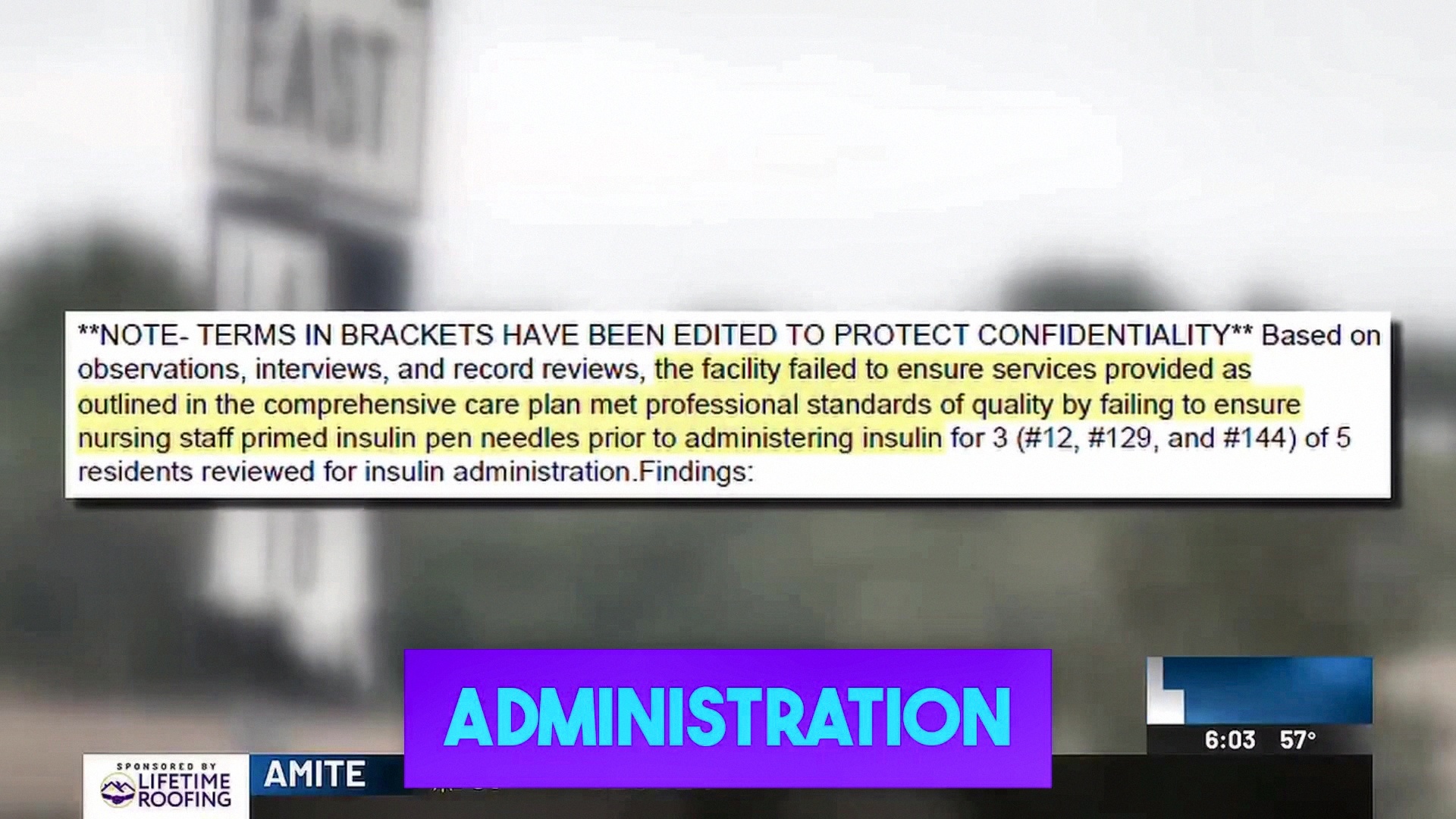
- Federal records reviewed through Medicare.gov indicate prior deficiencies at the facility, including a financial penalty in April 2025 tied to improper insulin administration and cleanliness concerns.
What the Recorded Footage Captures: Chronological Breakdown
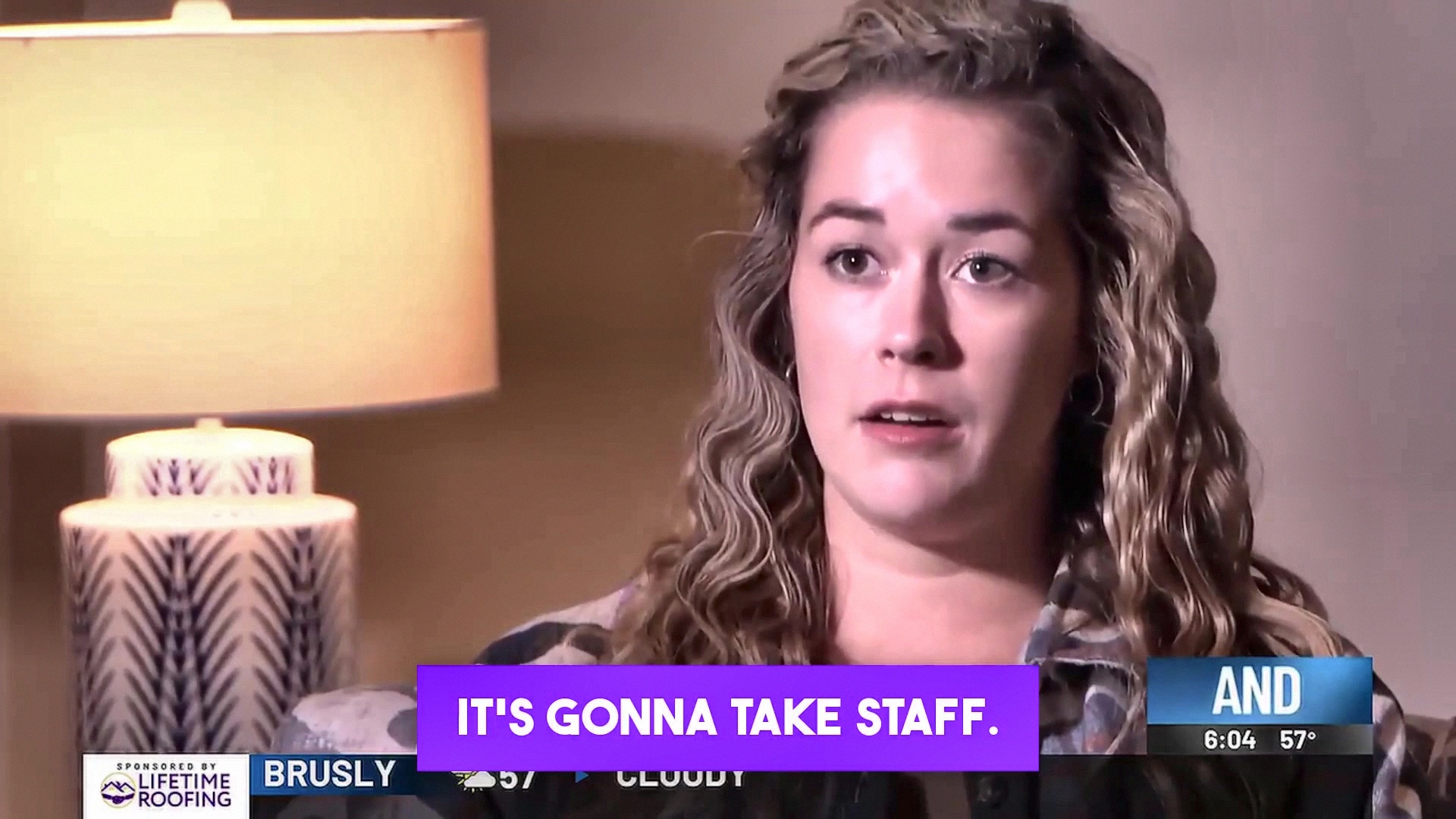
The broadcast package opens on the granddaughter, Bliss Winters, seated in a living room and holding a folder of documents. The camera angle is a fixed interview setup, and her account establishes the timeline: her grandfather, Mike Shepard, developed dementia and other health challenges and was placed in the facility. After an unrelated head injury, the family installed a camera in his room. Winters states plainly that the family knew they had to lay eyes on him.
Secondhand footage is then described in precise terms. Winters recounts the sequence as it appeared on the room monitor: the resident was on the floor, and a reasonable intervention would have been to address him by name, inform him it was time to get up, and assist him into bed. Instead, the account states the employee kicked him, walked over, and jerked the blanket away from him. The physical conduct is the core evidentiary fact of the criminal charge.
A wide exterior shot shows a gray pickup truck passing the facility's white-columned entrance, establishing the institutional location. The broadcast then displays a regulatory document on screen, with bracketed text noting that confidentiality terms were edited. The document states that based on observations, interviews, and record reviews, the facility failed to ensure services met professional standards of quality, specifically by failing to ensure nursing staff primed insulin pen needles prior to administering insulin for three of five residents reviewed for insulin administration.
The package closes with a statement attributed to the facility, presented as an on-screen quote. The facility says it takes an incident of this nature very seriously and that appropriate action has been taken to ensure it does not happen again. It notes that state and federal privacy laws prevent it from disclosing care details or personnel action, and that it is fully cooperating with an ongoing criminal investigation involving the former employee.
Corporate Liability and Critical Blind Spots
The evidentiary record has clear limits. The publicly aired material does not include the full uncut room recording; viewers see the family's description of the sequence and the resulting charge, not a complete frame-by-frame presentation of the contact itself. The chain of custody for the privately installed camera footage has not been publicly detailed, and the precise timing relative to facility shift logs remains outside the broadcast record.
A second blind spot is causal attribution. Winters links three bed sores and communication difficulties to staffing practice, but the broadcast does not present a clinical determination assigning those outcomes to specific acts. The facility's statement declines to address care specifics, citing privacy law. The resident's death is described in the reporting as stemming from unrelated causes, which is a critical distinction for any civil liability analysis.
A third gap is the regulatory-verification layer. The Medicare.gov deficiencies are presented as a summary read on air, and the categories cited are improper insulin administration and cleanliness. That record is probative of systemic compliance history, but it does not by itself establish a pattern connected to the charged conduct. Viral assertions that extend beyond the broadcast record should be treated as unverified.
Legal Distinction: Simple battery of persons with infirmities is a criminal charge requiring proof of intentional, unauthorized physical contact against a person whose condition limits self-protection. It is distinct from civil neglect claims, which turn on the facility's duty of care and staffing adequacy, and from federal certification deficiencies, which are administrative findings tied to conditions of participation rather than individual culpability.
Statutory Framework and Protocol Analysis
Louisiana law treats enhanced penalties for battery against infirm persons as a protective standard, recognizing that residents in congregate care cannot reasonably avoid or report harmful contact. The criminal case therefore runs on an individual-conduct track, while the facility's exposure runs on separate tracks: state licensure survey enforcement, federal certification and civil monetary penalties, and potential civil litigation brought by the family.
The institutional duty of care standard requires facilities to maintain adequate staffing, supervision, and reporting channels, including immediate internal escalation and mandatory reporting to state survey authorities when abuse is alleged. The federal deficiency record cited on air shows that enforcement tools exist and have been used against this operator. The core compliance question is whether those tools function as timely deterrents or as retrospective documentation after harm has occurred.
Recorded Scene Documentation

| Incident Parameter | Governing Legal Standard & Judicial Protocol |
|---|---|
| Physical contact with a resident on the floor | Louisiana simple battery of persons with infirmities; criminal referral to local law enforcement |
| Family-installed room surveillance | Admissibility governed by state evidence rules; chain-of-custody documentation required |
| Facility response to the allegation | State and federal privacy restrictions on disclosure; mandatory cooperation with investigators |
| Insulin administration deficiencies | Federal conditions of participation; civil monetary penalty and corrective action plan |
| Cleanliness and infection-control concerns | State licensure survey standards and federal quality-of-care requirements |
| Bed sore development | Clinical standard of care; relevant to civil neglect and staffing-adequacy review |
| Employee separation from duty | Facility personnel policy and mandatory reporting obligations to state authorities |
Read more: East Cleveland Sentencing Breach: Courtroom Security Liability →
Core Questions and Institutional Review
- Did the facility's internal reporting protocol require immediate suspension and state notification upon the family's disclosure, and was that timeline met?
- How did prior federal insulin-administration and cleanliness deficiencies escape sustained corrective enforcement before this incident?
- What staffing ratios and supervision requirements applied to this resident's unit at the time of the recorded contact?
- Will the criminal proceeding proceed independently of any civil settlement, and what discovery obligations attach to the facility's internal records?
The systemic impact extends beyond one room. Families are increasingly installing private cameras because they distrust institutional reporting, which effectively outsources oversight to relatives at their own expense. That shift places new pressure on regulators to treat family-recorded evidence as a formal trigger for expedited survey action rather than an anomaly to be managed through press statements. Until reporting channels, staffing benchmarks, and enforcement timelines are tightened, memory care residents will remain dependent on the vigilance of the people who love them.
Practical Takeaways
- Vet staffing and deficiency history through public federal databases before placement, not after.
- Document all communication with facility administration in writing and retain dated records.
- Understand that privacy laws limit facility comment, so independent documentation carries the evidentiary weight.
- Treat a single criminal charge as one track of accountability; civil and administrative remedies proceed separately.