WATCH: On-scene video documentation is embedded below →
NEW YORK – A recorded confrontation inside a discount retail store has thrust questions of premises liability, employee duty of care, and the boundaries of customer conduct into sharp relief. What begins as a verbal clash between two shoppers escalates into repeated demands that a young woman exit the store, raising unresolved questions about who holds authority over public commercial space and how staff should respond to escalating disputes.
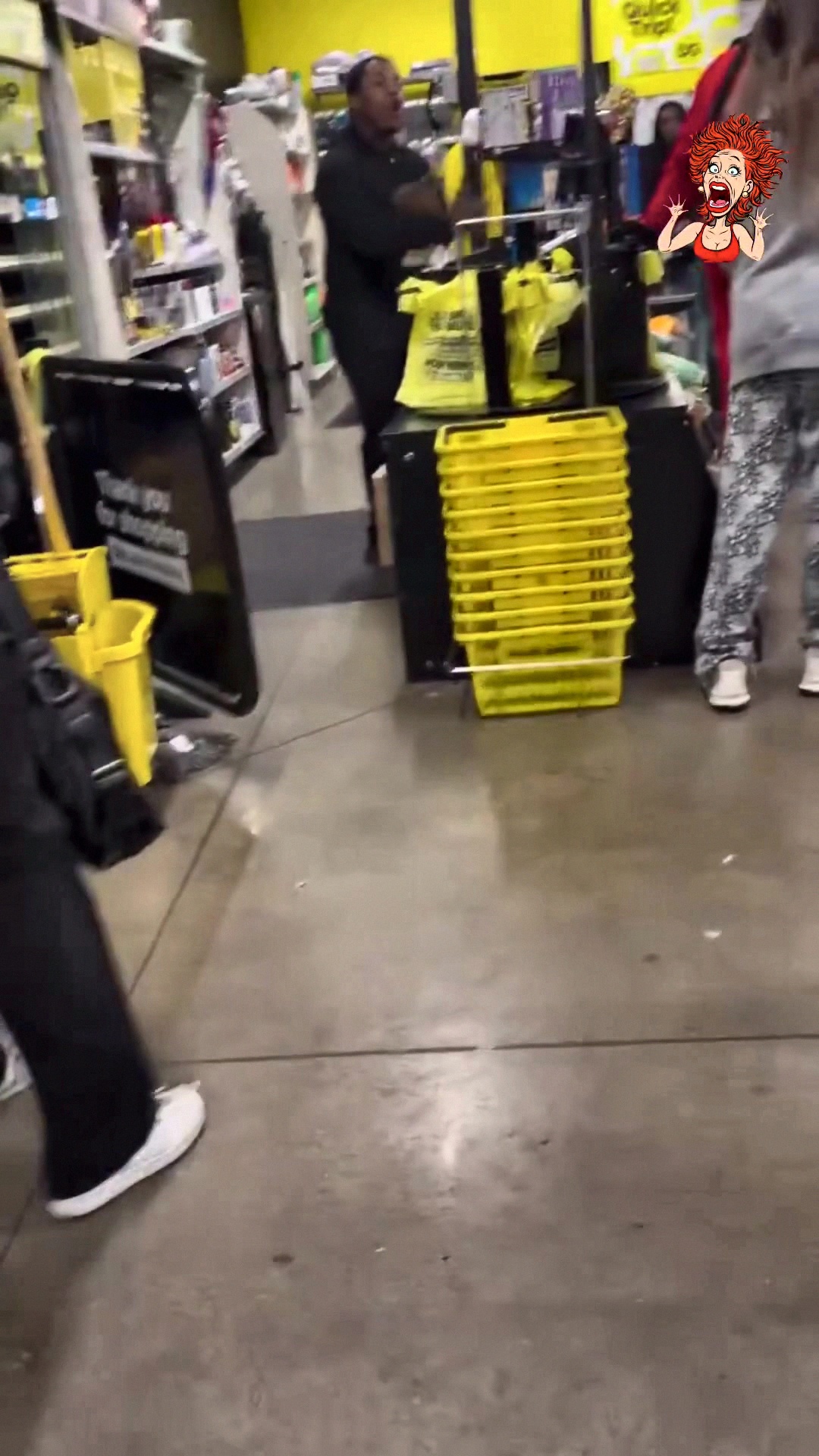
- The setting is the interior of a discount or convenience-style retail store, filmed from a handheld device moving through the aisles near a stacked yellow basket display and cleaning-supply shelving.
- The recorded escalation involves an older woman directing repeated, loud demands at a younger customer, insisting she leave the store and return home.
- At least one employee in a dark uniform is visible in the background as the dispute intensifies, with no clear de-escalation or removal recorded on camera.
- The disputed claims center on a personal relationship the younger woman explicitly denies, with no verified context established on the recording itself.
What the Recorded Footage Captures: Chronological Breakdown
The footage opens with a wide, moving perspective along a tiled aisle, capturing stacked yellow shopping baskets and a shelving unit stocked with cleaning supplies. A woman in a gray hoodie and patterned pants stands near the basket stack, while an employee in dark clothing is positioned further down the aisle. The camera angle is low and unstable, indicating the person filming is walking and likely observing rather than participating.
The first sustained verbal exchange captures a voice repeatedly pressing the younger woman to leave and to "get home." The younger woman responds firmly, stating she has no relationship with the person the older woman references. The exchange is marked by overlapping speech, raised volume, and the older woman's insistence that the matter be settled outside the store's commercial setting.
The confrontation peaks as the older woman repeatedly commands the younger woman to exit, while the younger woman stands her ground and challenges the older woman's authority to order her out. The camera pans around the aisle, briefly capturing the employee and the store's glass frontage, but the recording does not show any staff member stepping in to separate the parties.
The footage concludes without visible resolution or law enforcement presence. No physical contact is clearly documented, and the recording ends while the verbal confrontation remains unresolved, leaving the aftermath unrecorded.
Corporate Liability and Critical Blind Spots
From a premises-liability perspective, the recording supplies only a fragmentary evidentiary record. The events leading up to the confrontation are entirely unrecorded, meaning the origin of the dispute, the identity of the parties involved, and any prior interactions remain unverified. Viral commentary surrounding the clip asserts motivations and relationships that the footage does not substantiate.
The chain of custody for the video is similarly opaque. The identity of the person filming, the date and location of the incident, and whether the recording was edited or truncated are all unconfirmed. This limits any definitive legal or regulatory conclusion, as the visible record captures only the mid-to-late stages of the altercation.
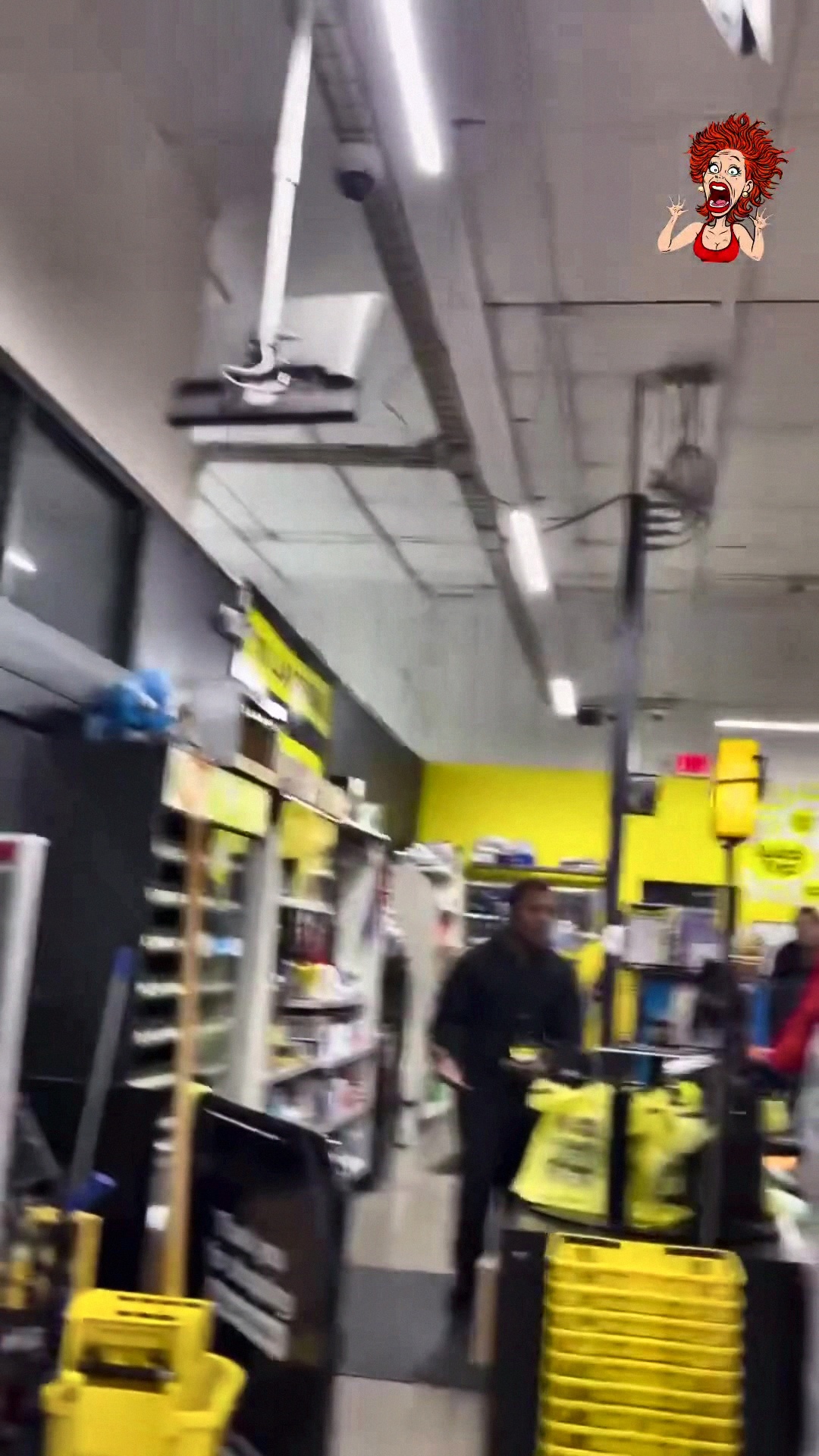
There is also a notable blind spot regarding staff response. While an employee appears in the frame, the footage does not establish whether store policy was invoked, whether management was alerted, or whether de-escalation protocols were followed after the recording stopped. Corporate duty of care in retail settings typically requires reasonable steps to protect customers from foreseeable harm, and the visible absence of intervention may invite scrutiny of internal safety procedures.
Statutory Framework and Protocol Analysis
Legal Distinction: Retail establishments generally owe customers a duty of reasonable care under premises-liability doctrine, while individual shoppers have no legal authority to order another customer to leave private commercial property. That authority rests with the property owner or authorized employees, and removal must be fatally harmed within lawful bounds, avoiding assault, false imprisonment, or discriminatory enforcement.
Retail safety protocols typically require employees to monitor disputes, separate parties where feasible, and escalate to management or law enforcement when conduct escalates. The recorded confrontation tests those protocols, as a private dispute between customers was allowed to unfold in a public shopping environment without visible staff mediation.
Workplace safety standards also frame the issue, since employees are exposed to the same volatile environment. A store's failure to intervene reasonably can carry both civil and regulatory consequences, particularly if a customer or employee suffers harm during an altercation that staff had the opportunity to defuse.
Recorded Scene Documentation

| Incident Parameter | Governing Legal Standard & Judicial Protocol |
|---|---|
| Customer-on-customer verbal dispute | Premises liability and duty of reasonable care |
| Removal demand by a shopper | No legal authority; only owners or agents may exclude |
| Employee presence during escalation | Retail safety protocol and de-escalation obligation |
| Physical separation of parties | Assault and false imprisonment boundaries |
| Filming inside commercial premises | Store policy and consent norms |
| Post-incident documentation | Chain of custody and evidentiary reliability |
Read more: Orlando Road Rage Arrest: Body Cam, Battery Charge, and Liability →
Core Questions and Institutional Review
- Did store personnel follow established de-escalation protocols once the dispute became audible and disruptive?
- Does the retailer's customer-conduct policy clearly define who may order another shopper to leave the premises?
- What liability exposure exists if a customer or employee is harmed during an unresolved confrontation of this kind?
- How should video evidence of this nature be preserved and authenticated for any civil or regulatory review?
The recorded incident underscores a broader institutional gap. Private commercial spaces increasingly serve as arenas for personal disputes, and the absence of clear, visible intervention raises systemic questions about training, staffing, and the boundaries of customer authority. Whether framed as a one-off confrontation or a recurring pattern, the footage invites scrutiny of how retail environments manage conflict and protect the public they invite inside.
Practical Takeaways
- Retailers should document and review de-escalation responses after any recorded customer confrontation.
- Staff should be trained to distinguish between customer disputes and situations requiring management or police removal authority.
- Video evidence should be preserved with clear chain-of-custody notes to support any later legal or insurance review.