
WATCH: On-scene video documentation is embedded below →
DUBLIN, Calif. – A confrontation outside Santa Rita Jail between Alameda County Supervisor Nikki Fortunato Bas and federal immigration officers has raised difficult questions about the legal limits of local sanctuary policies when they collide with federal operational mandates. The incident, captured on video and circulated widely online, centers on a county official asserting that ICE presence on county property requires a signed judicial warrant, while agents insisted they were acting on official federal business.
The dispute underscores a widening gap between local ordinances and federal authority that carries significant liability and compliance implications for both jurisdictions.
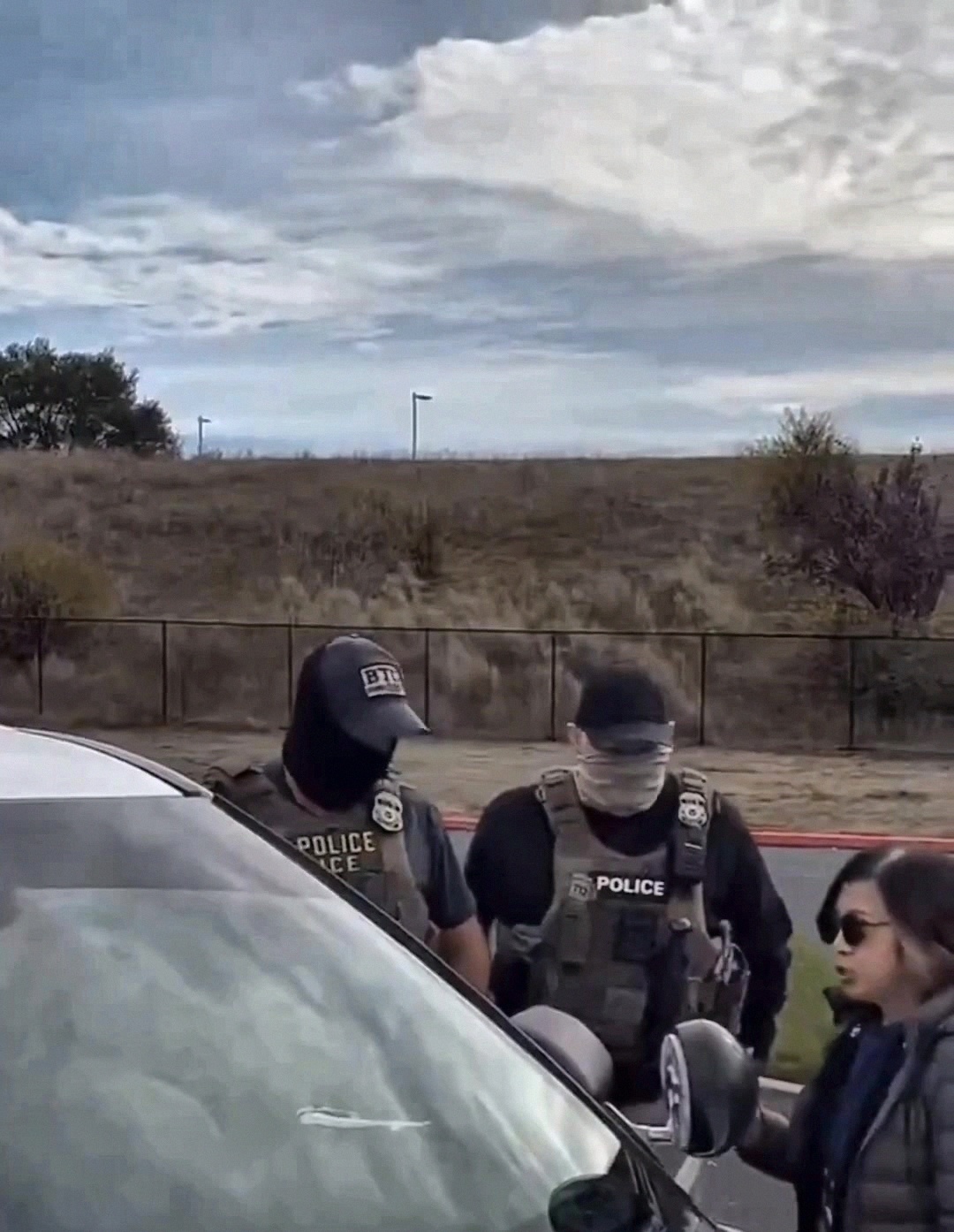
- The encounter unfolded outside the Santa Rita Jail facility in Dublin, California, where Investigators were positioned near a white vehicle in a public access area.
- Supervisor Nikki Fortunato Bas approached the agents directly, citing the county's "ICE Free Zone" policy and demanding to see a signed judicial warrant authorizing their presence on county property.
- The agents declined to produce a judicial warrant, maintaining that they were present on official federal business and not subject to the county's local policy restrictions.
- The exchange remained verbal and did not escalate to physical contact, but the confrontation highlighted a direct jurisdictional conflict between Alameda County's local ordinance and federal immigration enforcement authority.
What the Recorded Footage Captures: Chronological Breakdown
The video opens with a close, handheld perspective from near the hood of a white vehicle, framing two masked agents in tactical vests marked "INVESTIGATORS." The camera angle is low and slightly unsteady, suggesting the recording was made by someone standing close to the vehicle, likely the supervisor or an accompanying staff member.
The agents stand side by side, one with a black balaclava and a dark cap bearing the letters "ETB," the other with a tan gaiter covering the lower half of his face and a black cap. Both wear olive-drab tactical vests with visible radio equipment and duty gear.
Supervisor Bas enters the frame from the right, wearing a dark jacket and sunglasses, and immediately engages the agents in a direct verbal challenge. She asks whether they possess a signed judicial warrant, stating that they are not supposed to be on county property without one. The agent on the right responds that he does not need a signed judicial warrant, prompting Bas to repeat the question with increased emphasis. The exchange becomes a rapid back-and-forth in which she presses the warrant requirement while the agent asserts federal operational authority.
At approximately the midpoint of the clip, the agent on the right gestures toward paperwork in his hand, and Bas continues to demand clarification on the legal basis for their presence. The second agent, standing to the left, remains largely silent but maintains a forward-facing posture. The dialogue reveals a fundamental disagreement: Bas cites the county's policy and a letter sent to the U.S. Department of Justice, while the agent states that they are only permitted to be there on official business, which he asserts they are conducting.
In the final portion of the footage, Bas persists in asking for a judicial warrant, and the agent repeats that no warrant is required. The camera remains fixed on the agents as the verbal exchange continues without resolution. No physical contact occurs, and no law enforcement intervention beyond the agents themselves is visible. The clip ends with the confrontation unresolved, leaving the viewer to weigh the competing claims of local policy and federal authority.
Corporate Liability and Critical Blind Spots
The evidentiary record here is limited to a single handheld recording that captures only the immediate confrontation. The events preceding the encounter, including the circumstances that brought Investigators to the facility and any prior communications between county officials and federal authorities, are not documented in the clip. This creates a significant blind spot for any assessment of who initiated the conflict and what legal basis each party had for their actions.
The footage does not show any chain of custody for the recording, nor does it establish who filmed the encounter and whether the recording has been edited or truncated. The identities of the two agents are obscured by face coverings, making independent verification of their roles and authority difficult. Additionally, the viral assertions accompanying the video, including claims about the agents' conduct and the county's response, cannot be substantiated solely from the visible evidence.
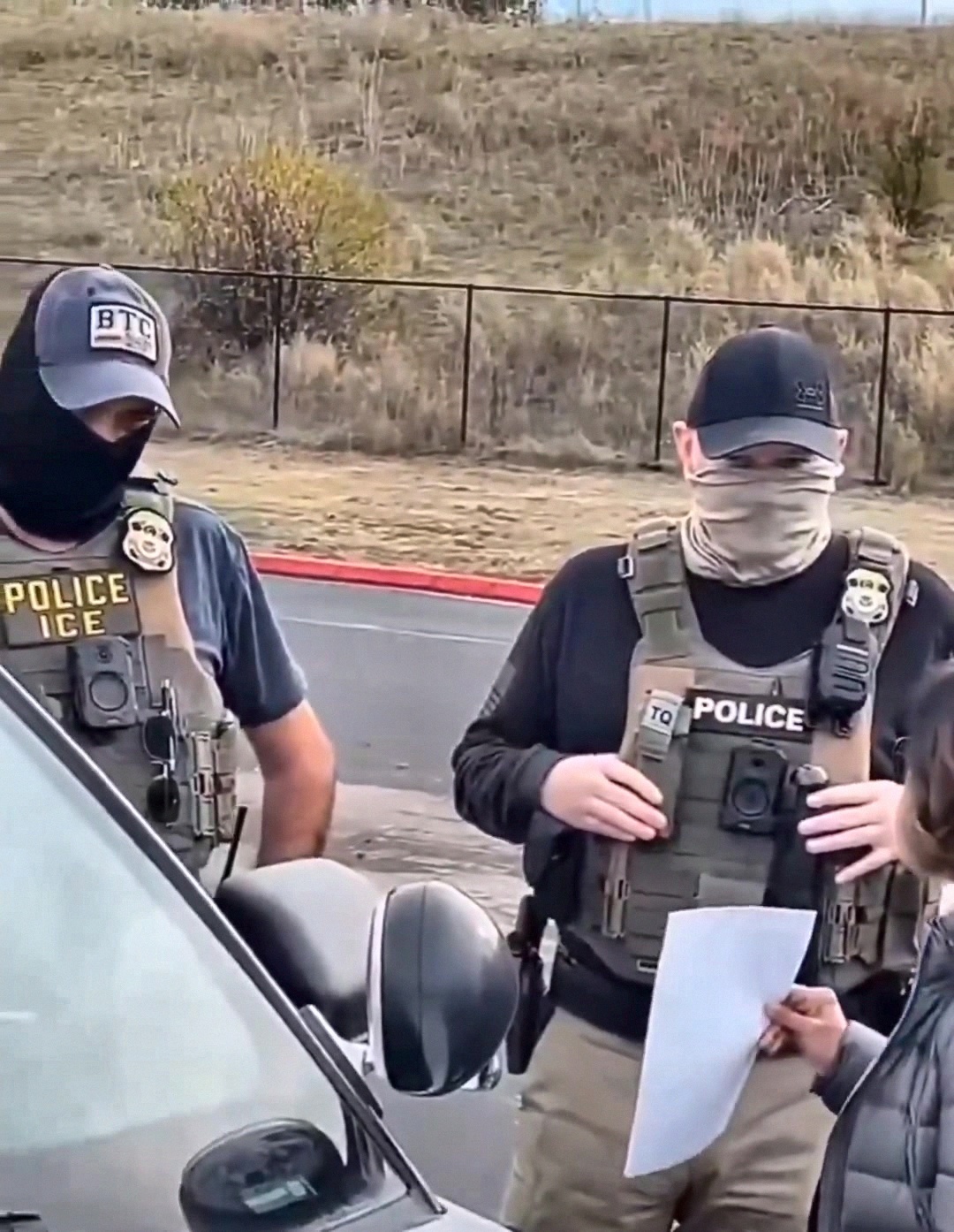
From a liability perspective, the county faces potential exposure if its policy is found to conflict with federal enforcement prerogatives. Conversely, federal agencies may face scrutiny over whether their presence on county property complied with local ordinances and whether their refusal to produce a warrant was legally justified. The lack of a complete record means that any legal analysis must proceed with caution, recognizing that the clip captures only a fragment of a larger dispute.
Statutory Framework and Protocol Analysis
Legal Distinction: The county's "ICE Free Zone" policy limits the use of county property for civil immigration enforcement, but field investigators assert authority under federal law to conduct official business. The conflict hinges on whether a local ordinance can restrict federal operations and whether a judicial warrant is required for administrative immigration enforcement on county property.
The compliance protocols at issue involve the intersection of local sanctuary ordinances and federal immigration enforcement. Alameda County's policy, which restricts the use of county property for civil immigration enforcement, reflects a broader trend among local jurisdictions to limit cooperation with federal immigration authorities. However, federal agencies maintain that their operations are governed by federal law and that local policies cannot override federal authority. This tension raises questions about the duty of care owed by local officials to comply with federal mandates while upholding local ordinances.
Institutional liability may attach if either party is found to have acted outside its legal authority. The county could face legal challenges if its policy is deemed to obstruct federal enforcement, while field investigators could face scrutiny if their presence on county property violated local law. The absence of a judicial warrant in this case is a key point of contention, as the county's policy explicitly requires one for ICE presence on county property.
Recorded Scene Documentation

The agents' refusal to produce a warrant, coupled with their assertion of official business, creates a legal gray area that may require judicial resolution.
| Incident Parameter | Governing Legal Standard & Judicial Protocol |
|---|---|
| Presence on county property | County ordinance requires judicial warrant for civil immigration enforcement |
| Federal authority claim | Field investigators assert official business exemption under federal law |
| Warrant requirement | Disputed; county demands signed judicial warrant, agents refuse |
| Local policy application | County "ICE Free Zone" policy limits use of property for civil enforcement |
| Federal operational mandate | ICE maintains authority to conduct enforcement actions on official business |
| Liability exposure | Potential legal challenges for both county and federal agencies |
| Judicial resolution | Dispute may require court interpretation of conflicting authorities |
Read more: Minneapolis Unmarked Armored Vehicle Crowd Incident Under Review →
Core Questions and Institutional Review
- Does a local ordinance restricting ICE presence on county property legally bind field investigators operating under federal authority?
- What is the appropriate legal recourse for a county official who believes field investigators are acting without proper authorization?
- How should federal agencies balance operational mandates with local policies that limit their presence on public property?
- What liability do local officials face if their policies are found to obstruct federal enforcement, and what liability do field investigators face for noncompliance with local ordinances?
The confrontation at Santa Rita Jail is a microcosm of a larger national debate over the limits of local sanctuary policies and the reach of federal immigration enforcement. The incident highlights the need for clearer legal frameworks that define the boundaries of local and federal authority, as well as protocols for resolving disputes without escalation.
As similar confrontations continue to occur across the country, the outcome of this case may set a precedent for how local jurisdictions and federal agencies navigate their conflicting mandates. The absence of a judicial warrant and the agents' reliance on official business authority will likely be central to any legal review, and the county's willingness to enforce its policy will be tested in the days ahead.


