
WATCH: On-scene video documentation is embedded below →
DALLAS – A high-value retail theft at a luxury sunglasses kiosk inside Dallas Fort Worth International Airport has escalated from a quiet ten-minute interlude into a serious legal charge arrest, exposing the thin line between duty-free browsing and custodial detention. The recorded encounter, captured on Axon body-worn cameras, documents the rapid transition from a routine police inquiry near the departure gates to a formal theft charge, raising questions about loss-prevention protocols, retail liability, and the jurisdictional authority of airport law enforcement.
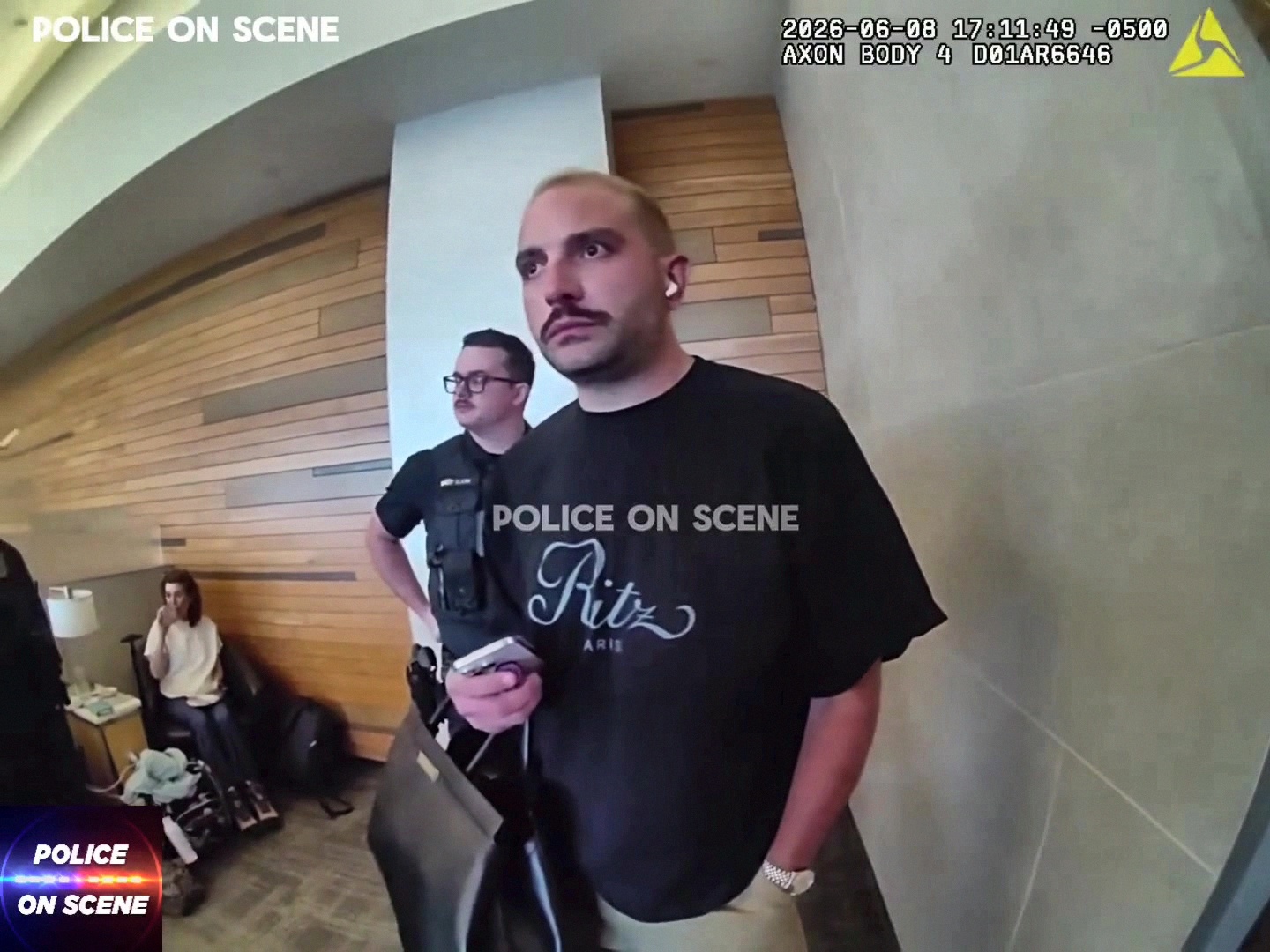
- The subject entered a Texas Shade sunglasses retailer near the D concourse and substituted his own eyewear for a pair of Cartier frames, placing the older pair on the display and pocketing the merchandise.
- The stolen merchandise carried a retail valuation of $2,795, which exceeds the statutory threshold for serious legal charge-level theft under Texas penal code guidelines.
- DFW Airport Police confronted the subject in a lounge area approximately ten minutes after the transaction, presenting him with closed-circuit footage.
- The encounter transitioned to custodial arrest after the subject admitted to having no specific reason for the removal, with a subsequent search of his bag revealing additional unrecovered assets.
What the Recorded Footage Captures: Chronological Breakdown
The body-worn camera footage opens with a mid-range shot of the subject standing near a lounge seating area, dressed in a black t-shirt and khaki trousers. The officer, positioned at a slight angle to the right of the frame, initiates the interview by displaying a still image from the store's security feed. The subject's posture remains relaxed, hands partially visible, as he confirms his identity with a shrug.
The officer then recites the sequence of events: a visit to the Texas Shade kiosk, a try-on, and the placement of the insured property into a personal bag. The camera captures the subject's face as he acknowledges the timeframe, offering no immediate denial.
As the questioning progresses, the officer shifts from inquiry to evidence presentation. The subject is asked to produce the item, and the footage shows him reaching into his bag and handing over the Cartier frames. The camera angle captures the officer's hands examining the merchandise while the subject is asked to explain the rationale for the transaction. The response is delivered in a low, measured tone: no stated reason, merely an admission that the action occurred.
The officer presses for clarity, asking whether the subject simply saw the item, liked it, and took it. The subject deflects, citing a heated phone conversation as a mitigating factor for his inattention.
The tension reaches its apex when the officer declares the act as theft and announces the arrest. The camera frame widens to include a second officer, who steps forward to assist in securing the subject. The subject's demeanor shifts from passive to vocal as he questions the legality of the detention, stating that the action is against the law. The officers proceed with the handcuffing process, and the footage captures the physical mechanics of compliance.
The scene concludes with the subject being escorted through the terminal corridor, with the officer informing the store that a suspect is in custody.
A secondary frame captures the movement of the group past a seated female bystander, who watches the escort without interference. The corridor lighting and the presence of the second officer in a wide-brimmed hat confirm the transition from the lounge's softer ambient light to the main concourse's harsher overhead fixtures. The bodycam timestamp shows the elapsed time between the initial confrontation and the escort to be approximately six minutes, underscoring the efficiency of the airport's security response.
Corporate Liability and Critical Blind Spots
The evidentiary record presented in the footage is robust but not exhaustive. The camera angles provide a clear view of the suspect's face and the recovery of the merchandise, but the actual moment of the swap inside the Texas Shade store is not depicted. The narrative relies entirely on the store's closed-circuit television feed, which is referenced but not shown in the bodycam clip.
This creates a chain-of-custody gap where the visual proof of the substitution is external to the primary recording. The legal standard for theft requires proof of intent and the physical act, both of which are supported by the subject's admission, but the absence of the in-store footage in the public record limits a full forensic analysis of the initial event.
The search of the subject's bag introduces an additional layer of financial and legal complexity. The recovery of additional merchandise, described as an unopened skincare product, extends the scope of the incident beyond a single retail item. The valuation of the combined recovered goods shifts the incident from a misdemeanor citation to a serious legal charge-level offense under Texas law.
The bodycam footage captures the officer's inventory of the bag, but the provenance of the secondary item remains unrecorded. This implies a potential second location for the theft, expanding the liability from a single storefront to the broader airport retail ecosystem. The lack of a recorded statement regarding the secondary item creates a blind spot in the chain of evidence.
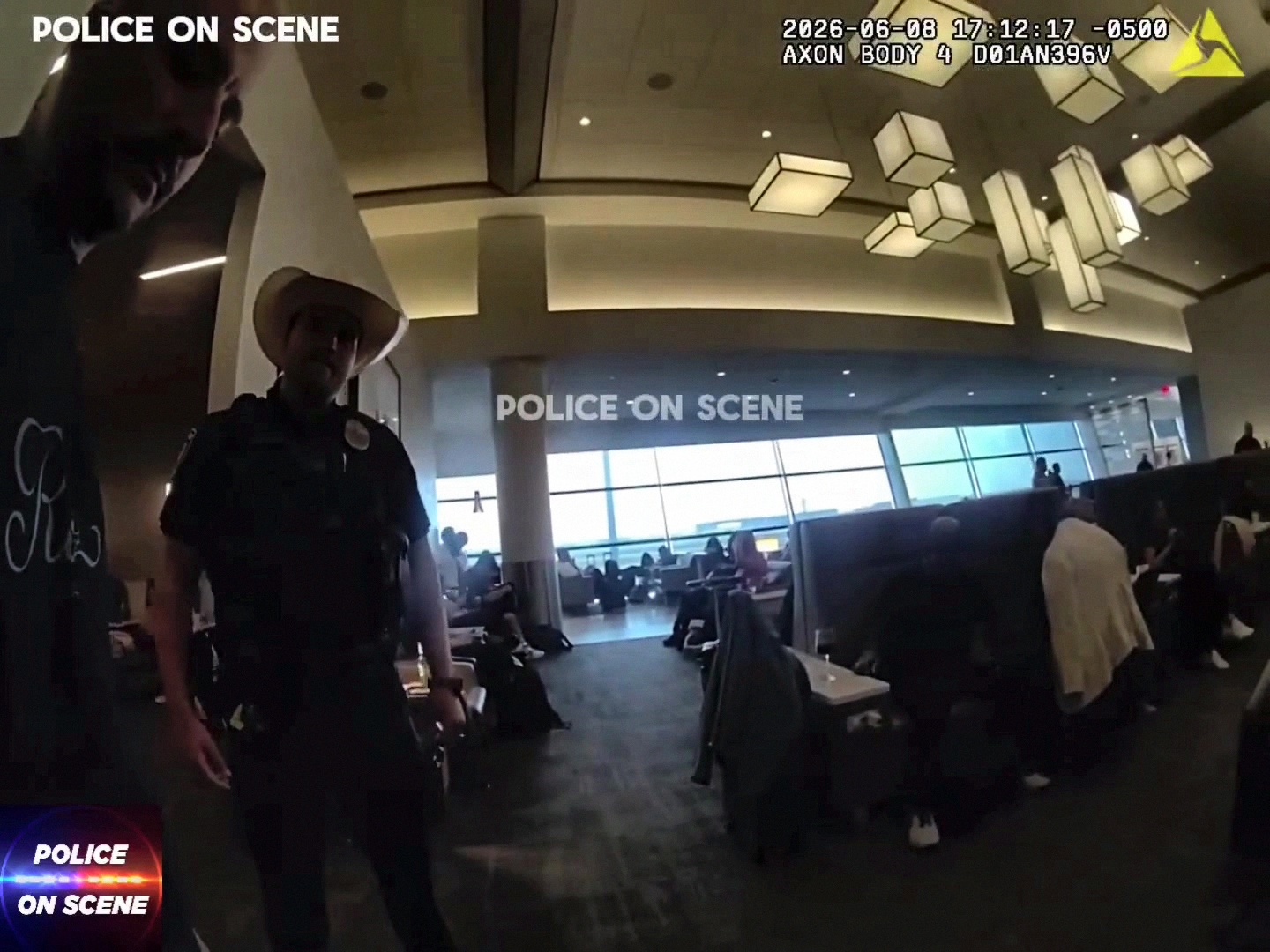
The footage also highlights the procedural blind spot of the subject's claim regarding the heated phone call. The officer's response to this claim is captured, but the context of the call is never verified. The subject's assertion is treated as an excuse rather than a hard fact, and the judicial process will require the prosecution to demonstrate that the distraction was not a legally sufficient defense. The video does not capture any corroborating witnesses from the store or the lounge who could verify the subject's mental state at the time of the incident.
Statutory Framework and Protocol Analysis
Legal Distinction: Under Texas Penal Code Section 31.03, theft of property valued between $2,500 and $30,000 is classified as a state jail serious legal charge, carrying a potential sentence of 180 days to two years in a state jail facility. The subject's arrest is predicated on the aggregate value of the recovered items, which exceeds the $2,500 threshold. The detention is governed by the airport's security protocols, which allow for citizen's arrest or police intervention based on probable cause derived from surveillance footage.
| Incident Parameter | Governing Legal Standard & Judicial Protocol |
|---|---|
| Retail Valuation Threshold | Texas Penal Code § 31.03(e)(4)(A) |
| Arrest Authority | DFW Airport Police Department General Orders |
| Chain of Custody | Standard Law Enforcement Evidence Protocol |
| Search and Seizure | Fourth Amendment and Texas Code of Criminal Procedure |
| Custodial Detention | Miranda Warning and Arraignment Procedures |
| Recovery of Property | Texas Penal Code § 31.03(b)(1) |
| Serious legal charge Classification | Texas Penal Code § 12.35 |
The procedural conduct of the officers aligns with standard law enforcement protocols for retail theft in a high-security environment. The airport's duty of care to its tenants requires a rapid response to prevent the loss of high-value merchandise, and the bodycam footage demonstrates a graduated response from verbal inquiry to physical detention. The officer's decision to present the evidence before the arrest provides a clear record of the subject's acknowledgment, which strengthens the prosecution's case.
Recorded Scene Documentation

The detention is brief, and the subject is not subjected to excessive force, which aligns with the constitutional standards for a custodial arrest.
The institutional protocols of the airport security are also visible in the footage. The second officer's presence and the coordinated escort through the terminal indicate a standardized approach to detainee movement. The use of the body-worn camera is a critical compliance tool, as it captures the entire interaction from the initial contact to the escort. The footage serves as a deterrent and a record of accountability, ensuring that the arrest is conducted within the bounds of the law.
The transition from the lounge to the concourse demonstrates the airport's ability to secure a suspect without disrupting the flow of passengers, as evidenced by the seated bystanders who continue their activities without interference.
Read more: Federal Detention Footage Raises Use-of-Force Liability Questions →
Core Questions and Institutional Review
- Does the aggregate value of the recovered merchandise justify a serious legal charge charge, or should the case be adjudicated based on the single Cartier item?
- What is the liability of the airport retailer in failing to prevent the substitution, and are there gaps in their loss-prevention coverage?
- How does the chain of custody for the secondary merchandise impact the judicial proceedings, and will it be admissible in court?
- What are the long-term consequences for the subject's travel privileges, and how does this arrest affect his status with airlines and airport authorities?
The systemic impact of this incident extends beyond the individual arrest. It highlights the vulnerability of high-value retail environments within transit hubs and the necessity of robust surveillance and rapid response protocols. The case will test the airport's legal framework for handling theft and will likely prompt a review of the retailer's security measures.
The judicial outcome will set a precedent for the handling of similar incidents, emphasizing the importance of comprehensive evidence collection and the preservation of chain of custody. As the case moves through the Tarrant County judicial system, the financial and legal consequences for the subject will serve as a cautionary tale for travelers, reinforcing the strict enforcement of property rights within the aviation ecosystem.




One comment on “DFW Airport Cartier Theft: Bodycam Arrest and Serious legal charge Charge”