The fluorescent lights of a Chicago grocery store reflect off a phone screen held in a trembling hand. What begins as a routine errand collapses into a raw, public confrontation when a woman hurls a harsh verbal insult across the aisle. The target of the insult does not retreat. Instead, she steps forward, and the entire store becomes an unwilling audience to a confrontation over dignity.
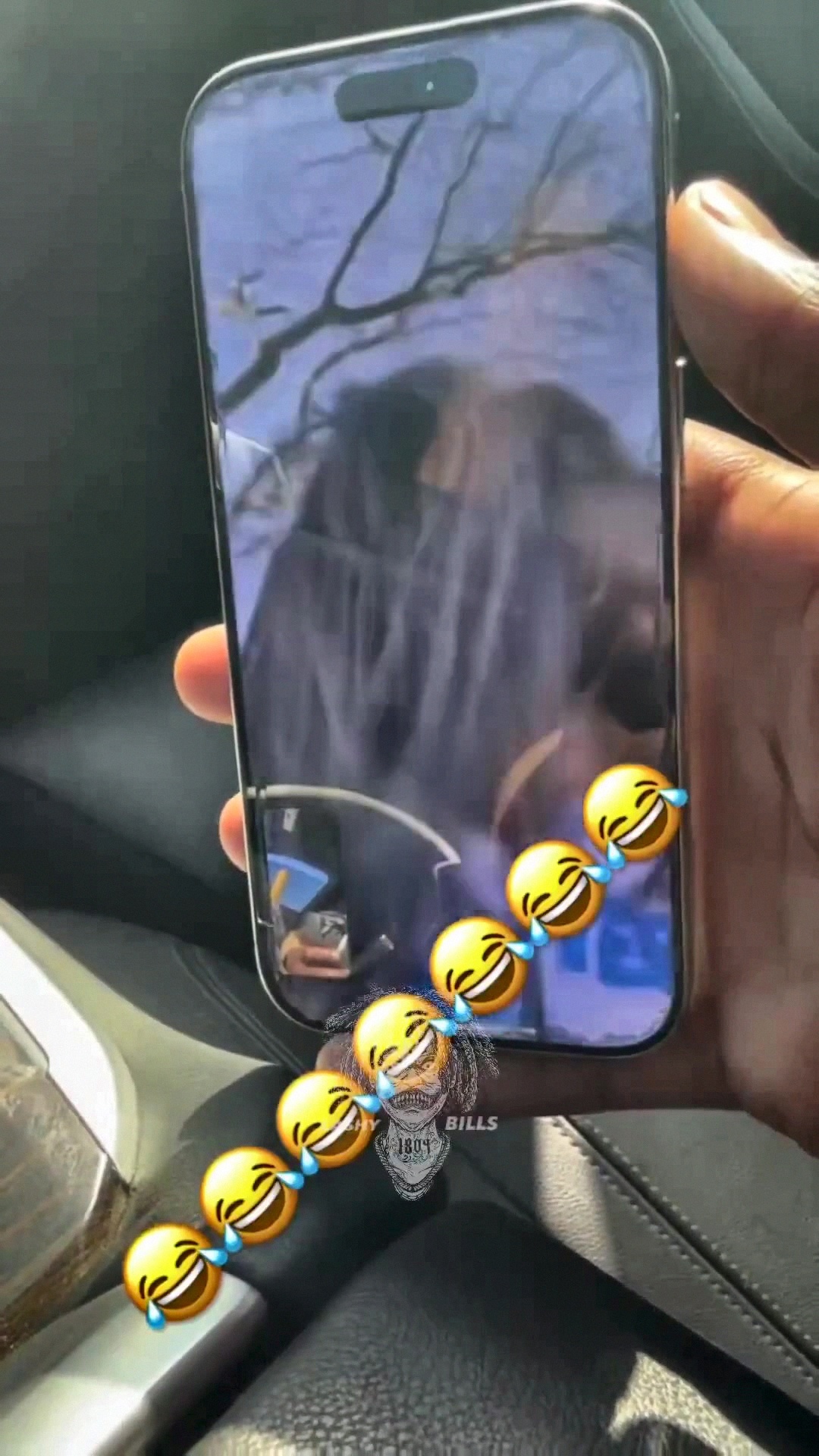
- The Flashpoint: A woman (widely referred to online as "Karen") directs a racial epithet at another shopper, demanding she leave the store.
- The Pushback: The targeted woman confronts her directly, repeatedly challenging the insult: "Call me another nigger."
- The Escalation: The exchange intensifies as the targeted woman warns, "Stop playing on me before I beat ya ass."
- The Aftermath: The slur-slinger falls silent, retreating under the weight of the public challenge as the camera keeps rolling.
What the Recorded Footage Captures: Chronological Breakdown
The first seconds of the clip are jarring. The camera, held in a car and pointed at a phone screen playing a video, captures the voice of a woman saying, "If you're a fuckin' nigger you don't belong here." The phrasing is flat, almost casual, as if the slur were a normal part of her vocabulary. The setting appears to be a grocery store, with bright overhead lighting and the blur of shelves in the background.
The targeted woman does not flinch. She steps toward the speaker and replies, "Hey individual, do something about me." The challenge is immediate and physical. The woman repeats it, closing the distance, her voice rising. "Stop playing on me before I beat ya ass." The tension is thick enough to cut; the slur-slinger's posture stiffens, but she does not back away.
Then the confrontational pivot arrives. The targeted woman says, "Say it again, individual. Say it again." The camera catches the slur-slinger's face, her expression flickering between defiance and uncertainty. The demand is a trap, and she knows it. She mutters something unintelligible, but the targeted woman presses: "Call me another nigger." The aisle grows quiet. The slur-slinger looks around, perhaps realizing that the store's other shoppers have stopped to watch. She does not repeat the slur.
Scroll down for the full investigative report below ↓

Critical Blind Spots: What the Lens Leaves Unresolved
The video does not show what happened immediately before the first slur. Was there a dispute over a shopping cart, a misunderstanding at the checkout, or was the insult unprovoked? The footage begins mid-confrontation, robbing the viewer of context. The identities of the women remain unknown; neither is named in the clip, and no official record has surfaced.
What the camera also fails to capture is the role of bystanders. A few figures appear at the edge of the frame, but their reactions are obscured. Did anyone intervene, call for a manager, or attempt to de-escalate? The audio is dominated by the two women, leaving the ambient sounds of the store – the hum of refrigerators, the murmur of other shoppers – as background noise. The clip ends abruptly, without showing how the situation resolved.
Another blind spot is the location itself. The store is identified only as a grocery store in Chicago. No street address, neighborhood, or chain is visible. This lack of specificity makes it impossible to verify the incident through store records or local police reports. The video's circulation on social media has outpaced any official documentation, leaving a gap between what is seen and what can be proven.
Statutory Framework and Protocol Analysis
From a legal standpoint, the exchange raises questions about the boundaries of free speech and the definition of harassment. The First Amendment protects even offensive speech, including harsh verbal insults, in public spaces. However, when such speech escalates into a direct threat or a breach of the peace, it can cross into criminal territory.
The targeted woman's response – "Stop playing on me before I beat ya ass" – is a conditional threat that could be interpreted as an intent to commit violence, though no physical altercation is shown.
The store's protocol likely emphasizes de-escalation. Employees are typically trained to separate parties, call management, and, if necessary, contact law enforcement. In this footage, no uniformed employee appears, leaving the confrontation to play out in the aisle. The absence of a store representative raises questions about whether the incident was reported and how staff responded.
| Incident Parameter | Observation at the Scene |
|---|---|
| Location | Grocery store aisle, Chicago, Illinois |
| Primary Aggressor | Woman using harsh verbal insult |
| Target of Slur | Second woman, who confronts the speaker |
| Verbal Escalation | Repeated demands: "Call me another nigger" |
| Physical Contact | None observed in the clip |
| Bystander Presence | Unclear; figures at edge of frame |
| Resolution | Abrupt end; no official outcome shown |
Read more:
Read more: Bronx Truck Driver Keeps Calm During Crosswalk Confrontation →
Core Questions and Institutional Review
- What was the initial trigger for the slur, and was it captured on any other camera?
- Did store management or security intervene after the recording stopped?
- Has the targeted woman filed a complaint or pursued legal action?
- What does the slur-slinger's silence signify – remorse, fear, or simply a tactical retreat?
The silence that follows the repeated demand is perhaps the most telling moment of the entire encounter. It is not an apology, nor is it a further provocation. It is the sound of a person realizing that their words have consequences, that the aisle has become a stage, and that the audience is no longer on their side. What would you have done in that moment? The question lingers, unanswered, as the screen goes dark.
FOLLOW-UP INVESTIGATION REPORT
Related documented case details, verified on-scene evidence, and statutory liability analysis continued below.
CONTINUE READING: NEXT INVESTIGATIVE DOSSIER →
Man Kicks Baby Stroller Outside New York Courthouse Hallway

A routine corridor outside a New York courtroom turned volatile in seconds when a man erupted at a mother pushing a stroller, kicking the carriage with the child still inside. The cameras that captured the outburst also captured the scramble that followed, as uniformed officers grabbed him and a hallway of bystanders froze in disbelief.
- The scene: A bright, polished hallway ringed with blue waiting chairs, lined with heavy doorways and notice boards, filled with court officers in dark uniforms.
- The friction: A man begins shouting obscenities at a woman pushing a baby stroller, demanding to know why she brought the child to the courthouse at all.
- The intervention: Officers converge on the man, gripping his arms as he is drawn away from the carriage and the mother.
- The aftermath: The child was reportedly examined on scene and appeared unharmed, while the mother was left badly shaken.
What the Recorded Footage Captures: Chronological Breakdown
The first frames establish the setting with clinical clarity: a pale, polished floor reflecting overhead lights, a row of blue plastic chairs pushed against the wall, and a cluster of dark-uniformed officers moving with purpose. One officer's duty belt and shield catch the light as the camera swings, hunting for the center of the action. The ambient noise is thin and institutional, the kind of hollow hum that makes a sudden shout carry.
Then the shouting begins. A man's voice cracks across the hallway, demanding to know why a baby has been brought to this place. The man in question is not a passive objector; he drives the confrontation, accusing the mother and closing distance. The camera catches the moment the stroller is struck, a sudden, sharp jerk against the carriage as the mother's hands move to seize it.
The reaction is immediate. Officers in dark uniforms close in from multiple angles, one gripping the man's arm, another stepping in to block the path between him and the carriage. The physical restraint becomes the pivot of the footage, the scuffle that transforms a verbal eruption into a detention. The mother pulls the stroller clear, and for a beat the hallway is a blur of backs, badges, and the reflective sheen of the floor.
Critical Blind Spots: What the Lens Leaves Unresolved
What the footage cannot show is the minutes before the camera rolled. Why was the confrontation already at a boiling point? The man's repeated insistence that the child should not be at the courthouse suggests a grievance he believes is self-evident, but the record offers no explanation for that belief. Whether the parties had any prior encounter is not established in the available frames.
The lens also leaves the interior of the stroller unresolved. The child is not clearly visible in the footage, and the report that the child appeared unharmed relies on a brief on-scene assessment rather than a documented medical examination. The mother's distress is visible, but her account of the incident is not captured in the recorded audio.
Finally, the hallway's wider geography is unexamined. The camera focuses tightly on the officers and the man, cutting off the doorways behind them and the faces of bystanders absorbed in the fringes of the frame. What those bystanders saw, or did, before the shove remains outside the record.
Statutory Framework and Protocol Analysis
In a courthouse corridor, officers are also balancing a broader duty of protection. Court security personnel are routinely expected to preserve order, identify threats to the public using the building, and de-escalate confrontations before they spread. The intervention in this footage reflects that responsibility: the officers' first move is to separate the man from the stroller, not to debate his grievance in open hallway. That separation is both a de-escalation tactic and the beginning of a formal detention.
The standard for a charge like endangering the welfare of a child, which commentators have speculated may apply, generally requires evidence that a person knowingly acted in a manner likely to be injurious to a minor's physical, mental, or moral welfare. The footage documents a deliberate physical act directed at a carriage occupied by a child, but whether that act meets the statutory threshold is a question for investigators and prosecutors, not for bystanders watching a clip.
| Incident Parameter | Observation at the Scene |
|---|---|
| Location | Hallway outside a New York courthouse |
| Time captured | Mid-confrontation, camera already rolling |
| Primary actor | Man in casual clothing, shouting and advancing |
| Affected party | Mother pushing a baby stroller |
| Physical contact | Stroller kicked as officers close in |
| Law enforcement response | Multiple court officers restrain and separate the man |
| Immediate outcome | Child assessed on scene, mother visibly shaken |
The table above isolates what the frames actually support, and the gap between that record and the public reaction is where the real inquiry begins. The recording is short, the audio is partial, and the camera never holds still long enough to capture the man's face for more than a passing glance. What the officers knew at the moment they moved in, and what they were responding to in the seconds before the frame opens, are details that only the documented incident account can supply.
Core Questions and Institutional Review
- What prior interaction, if any, occurred between the man and the mother before the recording began?
- What specific offense, if any, was the man detained for at the scene, and has a formal charge been filed?
- Was the child examined by emergency medical personnel, and what did that assessment conclude?
- What does courthouse security protocol require of officers when a verbal dispute escalates near civilians with minors?
The public response has focused almost entirely on the six seconds of footage, a sliver of a much longer encounter that began off-screen and continued after the camera stopped. A hallway is a strange place to measure accountability, but it is where the record begins, and where the questions must be asked.
What would you want to know first if you were standing in that hallway?





One comment on “Chicago Grocery Slur Confrontation: Woman Dares Insult”