
Scroll down for the full investigative report below ↓
FORT COLLINS, Colorado – Body camera footage and laboratory records have surfaced in a closely watched legal and financial dispute involving a Nebraska man who was arrested after stopping to render aid at a roadside emergency. The incident, which has since generated a record settlement for a wrongful DUI arrest, exposes systemic failures in field sobriety protocols and raises questions about municipal liability and institutional accountability within the Fort Collins Police Department.
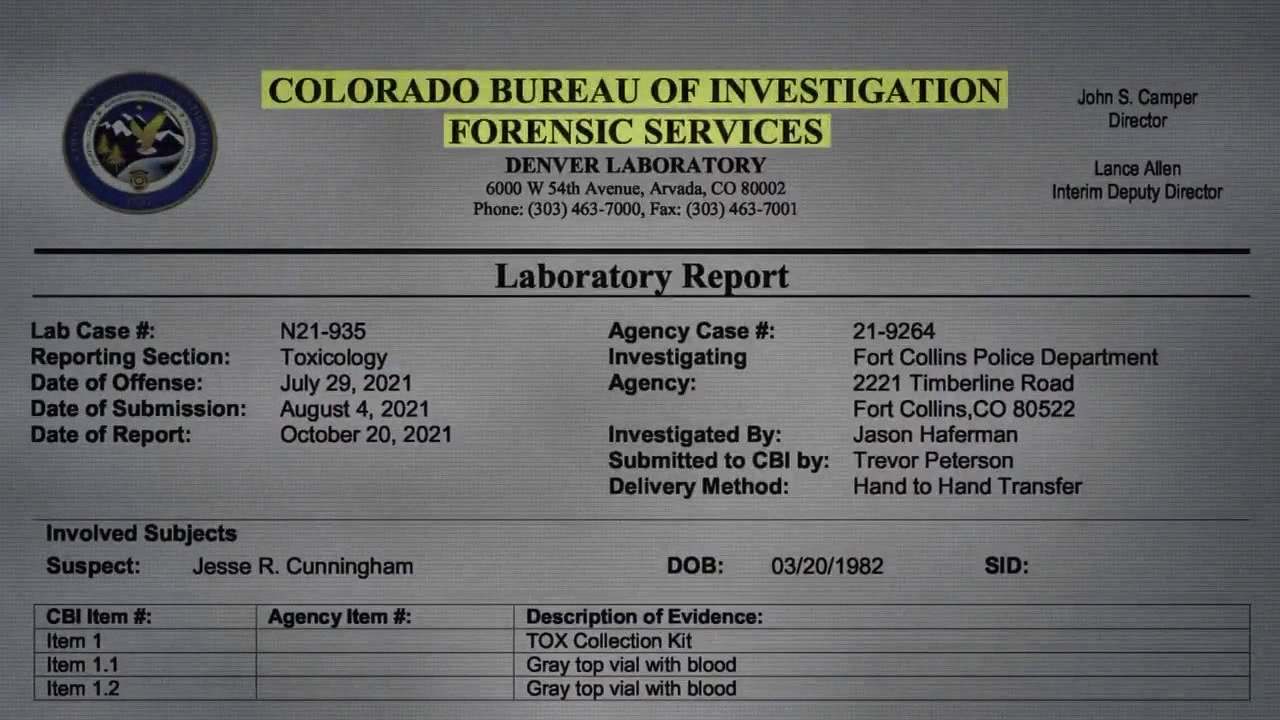
- The jurisdictional setting is Fort Collins, Colorado, where a family vacation concluded with a roadside stop on a dark highway to assist an injured motorcyclist.
- The recorded escalation captures the transition of a cooperative citizen providing aid into a DUI suspect, despite repeated requests for a breathalyzer test.
- Law enforcement intervention, led by Officer Jason Hafferman, culminated in the arrest of the subject for suspected DUI and child abuse, the latter based on the presence of his minor daughters in the vehicle.
- The legal and financial repercussions include a three-month wait for toxicology results showing zero blood alcohol concentration, dismissal of all criminal charges, a record monetary settlement for wrongful arrest, and the subsequent resignation of the involved officer.
What the Recorded Footage Captures: Chronological Breakdown
The initial body camera sequence shows a dark, rural road illuminated by emergency lights. A subject is seen moving toward the injured party's location, establishing the context of the Good Samaritan act. The camera angle from a responding officer captures the subject returning to his vehicle, and the dialogue indicates a shift in focus as the officer states that the subject smells of alcohol. The subject, later identified as Jesse R. Cunningham, is heard stating he had consumed two beers hours earlier.
As the footage progresses, the tension escalates when Cunningham repeatedly requests a breathalyzer test. The camera captures him asking, "Can we do a breathalyzer?" multiple times, expressing his belief that a test would prove his sobriety. The officer instead directs him to perform a series of roadside sobriety tests. The video shows Cunningham cooperating fully, yet the officer determines he failed these subjective tests. The physical positioning of the individuals, with the officer maintaining a commanding presence and Cunningham appearing compliant, underscores the imbalance of the interaction.
The climax of the footage is the handcuffing of Cunningham. The camera captures the physical transition from a citizen to an arrestee, with the officer placing him in custody for suspected DUI and child abuse. The visual evidence highlights a dramatic reversal of roles – from a man assisting at an accident scene to a suspect being detained.
The footage does not capture the interaction with the injured motorcyclist in detail, but the audio establishes that the subject was genuinely helping. The scene concludes with the arrest and indicates the subject is transported for a blood draw, as corroborated by the subsequent laboratory report.
Corporate Liability and Critical Blind Spots
The primary evidentiary limitation in this case is the reliance on the officer's subjective field sobriety observations versus the objective toxicology results. The body camera footage captures the interaction at the scene, but the unrecorded prior events – specifically the exact time and content of the subject's earlier alcohol consumption – remain outside the camera's scope.
The chain of custody for the blood sample is documented in the Colorado Bureau of Investigation report, yet the three-month delay between the arrest and the results left the subject in a state of legal limbo, subject to mandatory urinalysis and child protective services investigations.
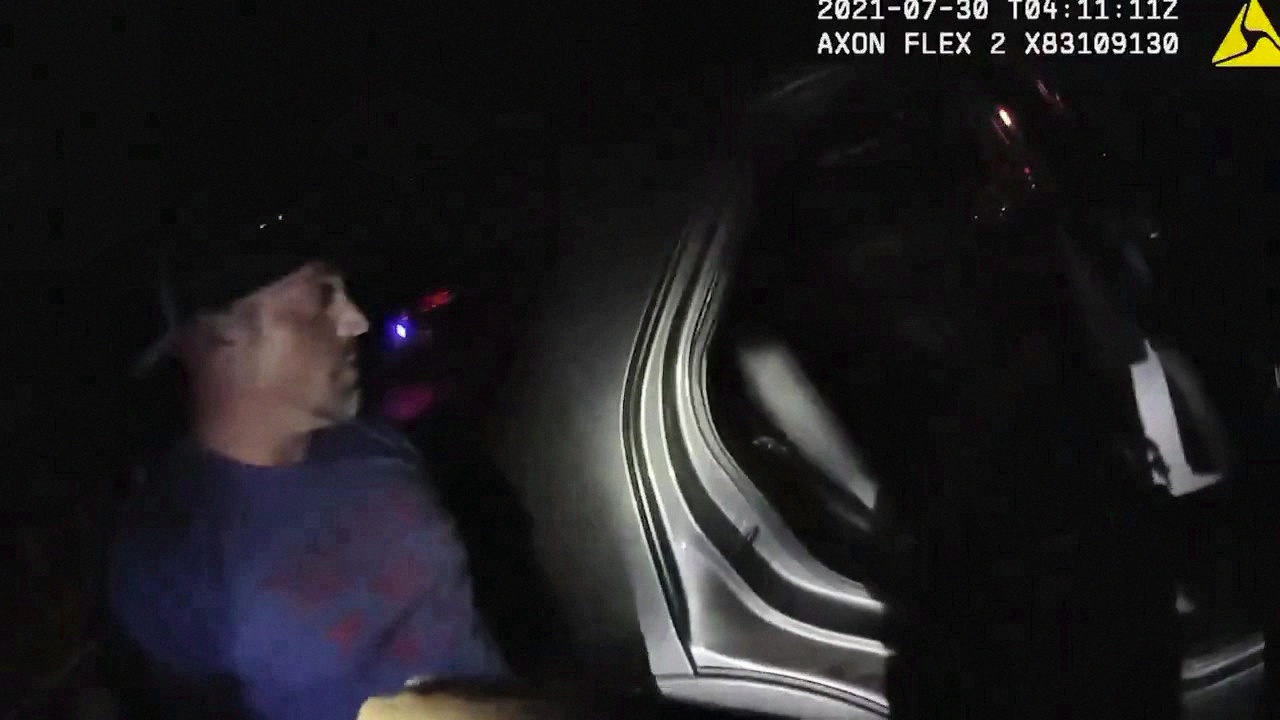
The perspective blind spots are significant. The camera angle is from the responding officer, meaning the subject's physical state is captured through a single lens. The claim that Cunningham "failed" the roadside tests relies on the officer's interpretation, which may be influenced by the initial smell of alcohol. The footage does not provide a comprehensive view of the environmental conditions or the exact nature of the sobriety tests.
Moreover, the viral assertion that the officer refused a breathalyzer is supported by the audio, but the reasons for the refusal are not explicitly stated in the footage. The incident exposes a liability gap: the department's policy allowed an arrest based solely on field observations, resulting in a wrongful prosecution that cost significant taxpayer funds.
Statutory Framework and Protocol Analysis
Legal Distinction: The case hinges on the distinction between probable cause based on subjective field sobriety tests and the standard of proof required for a criminal conviction based on objective blood-alcohol evidence. Under Colorado law, an officer may arrest for DUI based on probable cause, but the burden of proof in court requires reliable chemical test results. The refusal to provide a breath test, while not a legal violation in itself, becomes a critical liability point when the subsequent blood test exonerates the suspect. Furthermore, the inclusion of a child abuse charge based solely on the presence of minors during a suspected DUI introduces a separate legal standard involving child welfare, which compounds the institutional liability when the underlying DUI is disproven.
The compliance protocols within the Fort Collins Police Department are under scrutiny, specifically regarding the mandatory use of breathalyzers when requested by a cooperative suspect. The incident raises questions about the duty of care owed to citizens who voluntarily assist law enforcement, and the justification for escalation when a suspect is compliant. The officer's decision to arrest, despite the subject's requests for a chemical test, indicates a disconnect between field protocol and best practices for evidence collection.
The subsequent resignation of the officer, on the eve of a planned termination, suggests an internal recognition of procedural failure.
| Incident Parameter | Governing Legal Standard & Judicial Protocol |
|---|---|
| Initial Stop and Aid | Good Samaritan protections for voluntary assistance; no implied consent to search or seizure. |
| Field Sobriety Testing | Subjective officer assessment; must be corroborated by objective chemical tests for probable cause. |
| Arrest and Custody | Probable cause required; subject must be informed of rights and provided access to requested tests. |
| Child Abuse Allegation | Dependent on the validity of the underlying DUI; false accusations trigger civil rights claims. |
| Blood Draw and Testing | Chain of custody mandated; results are definitive evidence of sobriety or impairment. |
| Post-Acquittal Settlement | Municipal liability for wrongful arrest; record compensation based on damages to reputation and livelihood. |
| Officer Misconduct | Internal review and termination proceedings; resignation does not eliminate civil liability. |
Read more:
Read more: Gym Trespass Arrest: Member Detained Over T-Shirt Message →

Core Questions and Institutional Review
- What specific departmental policies allowed an arrest to proceed without a requested breathalyzer test, and how will the Fort Collins Police Department reform its field sobriety protocols?
- How does the three-month delay in toxicology results impact the constitutional rights of individuals who are presumed innocent, and what safeguards exist to mitigate this delay?
- What is the scope of the financial settlement, and does it set a precedent for future wrongful arrest cases in Colorado, potentially increasing municipal liability premiums?
- Given the officer's resignation, what accountability measures are in place to prevent similar incidents, and how will the department address the public trust deficit created by this wrongful arrest?
The systemic impact of this case extends beyond the individual settlement. It highlights the financial and reputational risks associated with wrongful arrests and the importance of adhering to objective evidence protocols. The case of Jesse R. Cunningham serves as a stark reminder that when law enforcement agencies deviate from established procedures, the cost – both to the individual and to the public treasury – can be significant.
As the department reviews its policies, the focus must remain on ensuring that citizens who act in good faith are not penalized, and that the evidentiary record is built on objective testing rather than subjective impressions.
FOLLOW-UP INVESTIGATION REPORT
Related documented case details, verified on-scene evidence, and statutory liability analysis continued below.
CONTINUE READING: NEXT INVESTIGATIVE DOSSIER →
NY Store Detention: Employee Holds Masked Suspect in Viral Clip

NEW YORK – A surveillance recording from a New York convenience store has ignited a complex legal and regulatory debate over the boundaries of retail loss prevention, after an employee appeared to allow a masked shoplifting suspect to complete a theft before physically blocking the exit and confining the individual inside. The incident, which circulated widely on social media under the description of a "high IQ" tactical maneuver, raises immediate questions about the line between lawful merchant detention and unlawful confinement, as well as the civil liability employers assume when workers physically engage suspects over merchandise.
- Jurisdictional Setting: The incident unfolds inside a narrow, camera-monitored retail aisle in New York, a jurisdiction with specific statutory limits on the duration, manner, and grounds for detaining a suspected thief under General Business Law Section 218.
- Recorded Escalation: Surveillance footage captures a masked individual in a light-colored puffer jacket moving merchandise near a refrigerated beverage display, while an employee in a black cap stands in close proximity without immediate intervention.
- Physical Intervention: The employee moves toward the exit and makes physical contact with the suspect as the individual attempts to leave, effectively closing off the sole visible egress point and initiating a struggle.
- Legal Repercussions: The recorded audio captures the suspect repeatedly pleading to be released, creating a potential evidentiary foundation for claims of false imprisonment, assault, and negligent hiring if the detention exceeded statutory protections.
What the Recorded Footage Captures: Chronological Breakdown
The surveillance sequence, captured from an elevated, fixed-angle camera positioned near the storefront entrance, opens with the masked suspect standing adjacent to a wall of refrigerated beverage coolers. A second individual in a reddish top is visible near the doorway, partially obscured by the heavy metal frame of the entrance. The employee, wearing a black cap and a dark jacket, is positioned between the suspect and the interior of the store, maintaining a deliberate distance that suggests observation rather than immediate confrontation. For the first several seconds of the clip, no property is visibly removed, and no alarm or audible disturbance is recorded.
The tension escalates when the suspect in the white puffer jacket shifts toward the entrance, triggering the employee's movement toward the same threshold. The footage shows the employee raising his arms and closing the physical gap, placing his body between the suspect and the glass door. At this point, the recorded audio captures overlapping and distressed vocalizations, with the phrase "let me go" repeated multiple times by the confined individual. A second voice, deeper and more measured, is audible in the exchange, though the exact dialogue remains partially obscured by the ambient noise of the store.
In the final frames, the employee is seen with his arm extended across the suspect's upper body, pressing the individual against the beverage cooler, while the suspect's arms flail upward in a defensive posture. The store floor shows scattered merchandise and debris, consistent with a physical struggle that knocked items from the shelving. The sequence terminates without any visible law enforcement arrival, leaving the duration and ultimate resolution of the detention unrecorded. The camera's fixed perspective cannot establish whether the door was actually locked or whether a second employee was stationed outside, both of which are central to the legal characterization of the confinement.
Corporate Liability and Critical Blind Spots
The most significant evidentiary gap in the recorded material is the absence of the events preceding the physical confrontation. The footage begins mid-incident, without establishing whether the suspect concealed merchandise, passed a point of sale, or received any verbal command to stop. New York's merchant's privilege statutes condition detention on reasonable grounds to believe that a person has stolen property, and the reasonableness of that belief is difficult to assess when the recording does not capture the initial observation. A complete record of the pre-detention period would require corroborating store inventory logs, loss prevention memos, and witness statements.
The chain of custody for the viral edit itself presents another liability concern. The clip bears a visible watermark from a third-party aggregation brand and has been re-cut with embedded subtitles, which means the version circulating publicly is not the original evidentiary copy. Authenticity verification would require the acquisition of the store's native DVR hard drive with hash-verified timestamps. As a result, any civil or criminal proceeding would need to establish that the footage was not trimmed to omit exculpatory moments, such as an earlier verbal warning or a physical gesture by the suspect.
Finally, the footage contains severe perspective blind spots. The camera angle cannot establish whether the suspect produced a weapon, whether the second individual near the doorway participated in the theft, or whether the employee sustained an injury. Viral captions asserting that the employee intentionally allowed the theft to compound in order to construct a detention trap remain unverified opinion, not fact. The audio is also heavily compressed, making the identification of which party uttered specific phrases uncertain.
Statutory Framework and Protocol Analysis
Legal Distinction: New York General Business Law Section 218 provides merchants with a conditional privilege to detain a suspected thief in a reasonable manner and for a reasonable time, solely for the purpose of investigation or recovery of property. However, this privilege does not authorize physical force exceeding what is necessary for self-defense, and it does not shield an employer from civil liability if the detention is conducted in an unreasonable manner or prolonged beyond the immediate purpose of recovery.
Retail employers are bound by an institutional duty of care that extends to both the suspect and the employee. Loss prevention protocols generally require trained personnel, documented incident reporting, and the immediate notification of law enforcement upon detention. When a store clerk untrained in use-of-force standards initiates a physical hold, the employer faces exposure under negligent hiring and negligent supervision theories, particularly if the incident results in injury. The absence of a visible uniform, badge, or written policy in the footage complicates the defense that the employee acted within the scope of a sanctioned loss prevention program.
| Incident Parameter | Governing Legal Standard & Judicial Protocol |
|---|---|
| Grounds for detention | Reasonable belief that a theft occurred, supported by continuous observation |
| Duration of confinement | Reasonable time limited to property recovery and law enforcement notification |
| Use of physical force | Only force necessary to prevent escape or defend against bodily harm |
| Employee training | Employer duty to train personnel in safe detention and de-escalation |
| Notification of police | Prompt contact with law enforcement required for privilege protection |
| Treatment of suspect | No unnecessary restraint, no verbal threats, no deprivation of medical care |
| Record retention | Preservation of unedited surveillance footage for civil and criminal discovery |
Read more: {NOIBO}
Core Questions and Institutional Review
- Did the employee's detention comply with the reasonable-time and reasonable-manner requirements of New York's merchant's privilege statute?
- Was the employee acting under a written loss prevention policy, or did the employer fail to provide training and supervision?
- Does the recorded struggle support a claim of assault or false imprisonment by the confined individual, and what is the store's civil exposure?
- Will law enforcement and prosecutors treat the footage as evidence of a crime by the suspect, a tort by the employee, or both simultaneously?
The systemic impact of this incident extends beyond a single storefront. As retail theft reporting rises nationally, merchants face mounting pressure to adopt aggressive deterrence measures, yet the legal architecture governing citizen detention remains narrow and jurisdiction-specific. The absence of clear protocols creates a compliance vacuum in which untrained workers become the frontline of asset protection, absorbing physical risk and generating liability that insurers and courts will ultimately be forced to price. Until retail operators formalize detention training and surveillance provenance standards, viral clips of this nature will continue to function as unverified evidence in a courtroom of public opinion, with real financial and legal consequences for all parties involved.
Practical Takeaways:
- Merchants should retain full, unedited surveillance footage with verified timestamps to support any detention claim.
- Retail employees should never initiate physical holds without documented training and a clear policy framework.
- Suspects detained beyond a reasonable time or in an unreasonable manner may pursue civil claims for false imprisonment.
- Employers must review loss prevention protocols to ensure compliance with state-specific merchant's privilege statutes.




One comment on “Colorado Wrongful DUI Arrest: Record Settlement for Good Samaritan”