






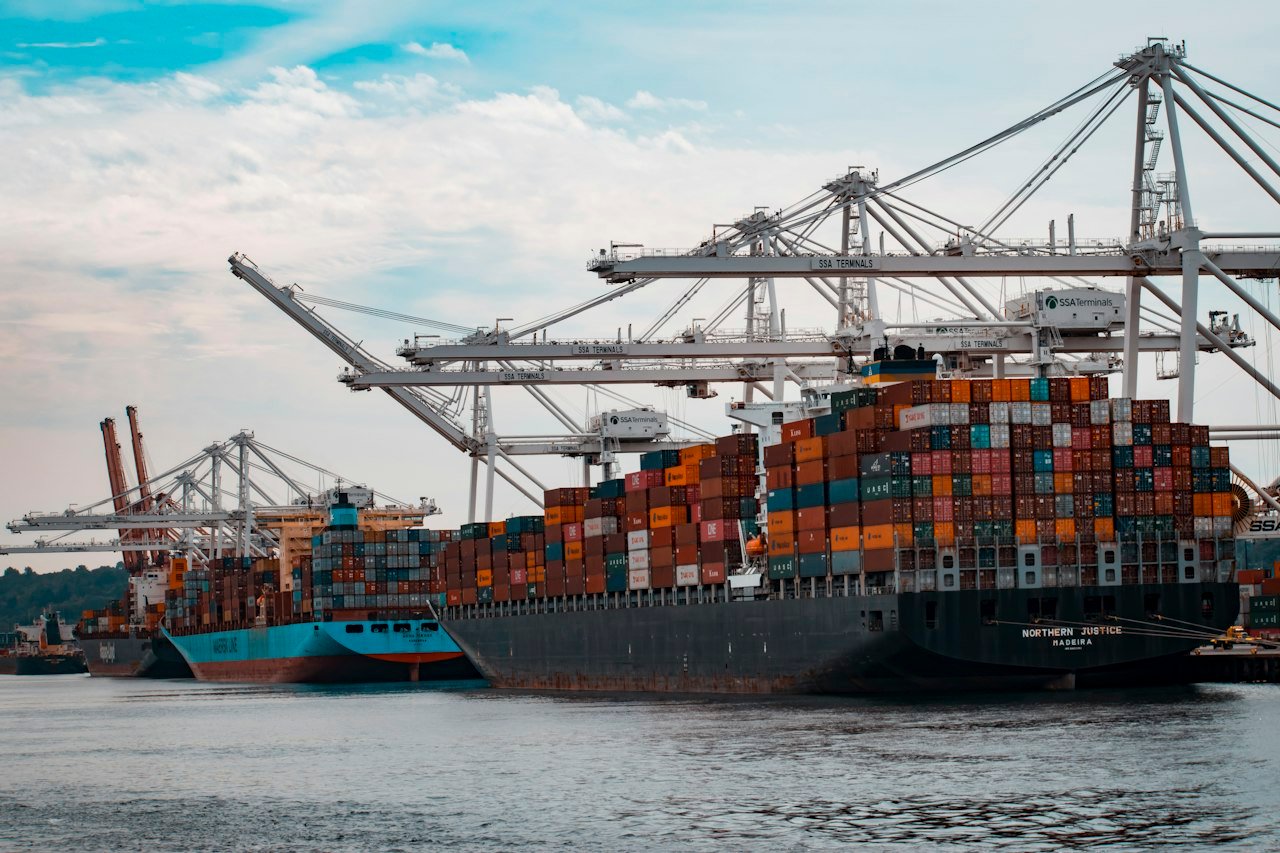
LOS ANGELES, California — Maritime shipping indices tracking trans-Pacific container transit have logged a 22% downward correction, as predictive supply chain telematics at major West Coast ports indicate a complete clearance of post-peak operational bottlenecks.
Incident Overview and Key Developments
Data audited by the Pacific Merchant Shipping Association and the Federal Maritime Commission demonstrates that vessel wait times at the Ports of Los Angeles and Long Beach have reached their lowest recorded durations since 2019.
- Index Benchmark: Trans-Pacific Spot Container Valuation (40-ft Equivalent Unit).
- Average Transit Latency: Reduced from 18.4 days to 12.1 days port-to-railhead.
- Economic Impact: Substantial mitigation of inventory holding costs for national retail distribution networks.
Logistics Infrastructure and Insurance Cost Reductions
Freight forwarders report that maritime transit insurance premiums have fallen in tandem with decreasing dwell times. Cargo loss claims associated with perishable goods spoilage and dockside demurrage surcharges declined by an estimated $45 million over the preceding reporting quarter.
| Port Facility | Weekly TEU Throughput | Average Berth Delay | Cargo Claim Reduction |
|---|---|---|---|
| Port of Los Angeles | 184,200 TEU | 0.8 Days | -31.4% |
| Port of Long Beach | 162,500 TEU | 1.1 Days | -28.2% |
| Port of Oakland | 74,100 TEU | 0.5 Days | -18.7% |
Macroeconomic Trajectory for Consumer Price Indices
Federal trade economists anticipate that eased container freight costs will gradually filter through wholesale price indices over the next two fiscal quarters, providing structural margin relief for regional manufacturers.